Buy immersiveeducation.eu ?
We are moving the project
immersiveeducation.eu .
Are you interested in purchasing the domain
immersiveeducation.eu ?
domain@kv-gmbh.de · 0541-91531010
Buy immersiveeducation.eu ?
What is the difference between intellectual disability and learning disability?
Intellectual disability refers to limitations in intellectual functioning and adaptive behavior, which can affect a person's ability to learn and function independently. It is typically diagnosed before the age of 18 and can result in significant limitations in cognitive and adaptive skills. On the other hand, learning disabilities refer to specific difficulties in acquiring and using skills in reading, writing, math, or other academic areas. These difficulties are not primarily due to intellectual disabilities, sensory impairments, or other factors, and individuals with learning disabilities often have average or above-average intelligence. In summary, the main difference between intellectual disability and learning disability is that intellectual disability involves limitations in overall intellectual functioning and adaptive behavior, while learning disabilities are specific difficulties in certain academic areas. **
What is intellectual disability?
Intellectual disability is a condition characterized by limitations in intellectual functioning and adaptive behavior. Individuals with intellectual disability may have difficulties with reasoning, problem-solving, and learning new skills. This condition typically manifests before the age of 18 and can vary in severity, with some individuals requiring more support than others to navigate daily life. Support services and interventions are often provided to help individuals with intellectual disability reach their full potential and lead fulfilling lives. **

Similar search terms for Intellectual
Top-Angebote
Products related to Intellectual:
-
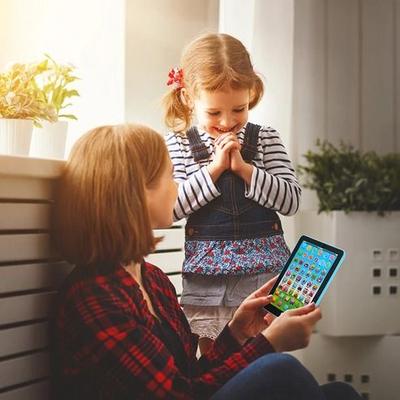
The Cart Load NEW Educational Learning Toys For Kids, Toddlers, Interactive Learning Pad, Best Early Learning Tool For Children NEW Educational Learning Toys For Kids, Toddlers, Interactive Learning Pad, Best Early Learning Tool For ChildrenStimulate Learning Through Synergy with the NEW Educational Learning Toys for Kid Give your child a head start in their learning journey with the NEW Educational Learning Toys for Kids, designed to captivate and engage toddlers aged 2 to 7. This...39,97 $*Shipping: 0,00 $Secure redirect to the provider
-
Inspired Deals Smart Squirrel Interactive Learning Toy For Kids Smart Squirrel Interactive Learning Toy For KidsMake playtime feel brighter, smarter, and more connected with this interactive toy for kids. Designed for toddlers and young learners, it turns tapping games, sounds, colors, and challenges into joyful learning moments. This educational toy for...104,97 $*Shipping: 0,00 $Secure redirect to the provider
-
The Cart Load Educational Learning Toys For Kids, Toddlers, Fun Interactive Learning, Alphabet, Numbers, Colors, And Animals Educational Learning Toys For Kids, Toddlers, Fun Interactive Learning, Alphabet, Numbers, Colors, And AnimalsUnlock the world of learning with this Educational Learning Toy for Kids! Designed for toddlers aged 3 to 8, this interactive learning pad combines sight, touch, and hearing to stimulate curiosity and develop essential skills. Perfect for enhancing...41,97 $*Shipping: 0,00 $Secure redirect to the provider
-
PRiME 2024 NEW Educational Learning Toys For Kids Toddlers Interactive Touch & Sound Learning Tablet For Boys & Girls 2024 NEW Educational Learning Toys For Kids Toddlers Interactive Touch & Sound Learning Tablet For Boys & Girlsooking for a fun and educational toy for toddlers and kids age 2 to 7 This 2024 NEW educational learning toy combines interactive touch, sound, and colorful visuals to create an engaging, screenfree learning experience that develops core skills and...29,97 $*Shipping: 0,00 $Secure redirect to the provider


-
What are intellectual hobbies?
Intellectual hobbies are activities that stimulate the mind and engage one's cognitive abilities. These hobbies often involve learning, problem-solving, and critical thinking. Examples of intellectual hobbies include reading, writing, puzzles, chess, and learning a new language. Engaging in intellectual hobbies can provide mental stimulation, enhance cognitive skills, and offer a sense of fulfillment and enjoyment. **
-
Can people with intellectual disabilities or learning difficulties graduate from secondary school?
Yes, people with intellectual disabilities or learning difficulties can graduate from secondary school. With the appropriate support and accommodations, individuals with these challenges can successfully complete their secondary education. Schools can provide specialized programs, individualized education plans, and additional resources to help these students achieve their academic goals and earn their high school diploma. It is important to promote inclusive education and provide equal opportunities for all students to succeed. **
-
Are high school graduates intellectual?
High school graduates can be intellectual, but it ultimately depends on the individual. Some high school graduates may have developed strong critical thinking skills, a thirst for knowledge, and a passion for learning, which are all characteristics of intellectual individuals. However, not all high school graduates may possess these traits, as intellectualism is not solely determined by academic achievement. It is important to recognize that intellectualism can manifest in various forms and is not limited to formal education. **
-
Can intellectual disability be cured?
Intellectual disability is not a condition that can be "cured" in the traditional sense. It is a lifelong condition that affects a person's cognitive abilities and adaptive functioning. However, with appropriate support, individuals with intellectual disabilities can learn new skills, improve their abilities, and lead fulfilling lives. Early intervention, educational support, and access to resources and services can help individuals with intellectual disabilities reach their full potential and lead independent lives to the best of their abilities. It's important to focus on providing the necessary support and accommodations rather than seeking a cure. **

Can animals develop intellectual disabilities?
Yes, animals can develop intellectual disabilities. Just like humans, animals can experience developmental disorders or brain injuries that affect their cognitive abilities. These disabilities can impact an animal's ability to learn, problem-solve, and interact with their environment. It is important for animal caregivers and veterinarians to be aware of these conditions and provide appropriate support and care for animals with intellectual disabilities. **
What is an intellectual hobby?
An intellectual hobby is a leisure activity that involves engaging in activities that stimulate the mind and require critical thinking, creativity, and problem-solving skills. These hobbies often involve learning new concepts, exploring complex ideas, or engaging in activities that challenge the intellect. Examples of intellectual hobbies include reading, writing, solving puzzles, playing strategic games, and engaging in philosophical discussions. These hobbies not only provide enjoyment and relaxation but also help to improve cognitive abilities and expand knowledge. **
Top-Angebote
Products related to Intellectual:
-
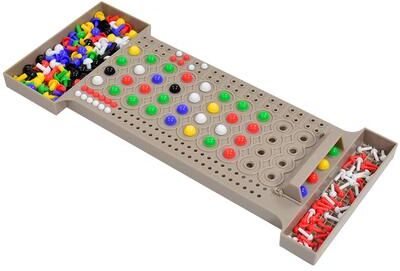
Discount Dollar Deals Childrens Intellectual Development Toy Clever Calculation, Logical Thinking, And Password Cracking Game For Kids Childrens Intellectual Development Toy Clever Calculation, Logical Thinking, And Password Cracking Game For KidsUnlock your child's full potential with this children's intellectual development toy. Designed to engage young minds, this game encourages clever calculation and sharpens logical thinking skills through fun, handson puzzles. Perfect for kids who...34,97 $*Shipping: 0,00 $Secure redirect to the provider
-
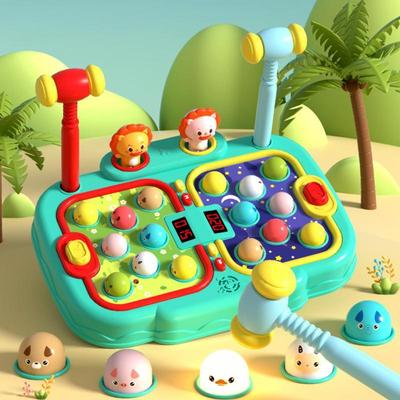
Multicon Wholesale Hub Educational Learning Toys For Kids Fun, Interactive Learning Play For Toddlers Educational Learning Toys For Kids Fun, Interactive Learning Play For ToddlersSpark your child's curiosity and enhance their learning journey with these educational learning toys designed for toddlers ages 27. Carefully crafted to promote cognitive and motor skills, this interactive toy set offers a variety of activities that...59,97 $*Shipping: 0,00 $Secure redirect to the provider
-
The Cart Load NEW Educational Learning Toys For Kids, Toddlers, Interactive Learning Pad, Best Early Learning Tool For Children NEW Educational Learning Toys For Kids, Toddlers, Interactive Learning Pad, Best Early Learning Tool For ChildrenStimulate Learning Through Synergy with the NEW Educational Learning Toys for Kid Give your child a head start in their learning journey with the NEW Educational Learning Toys for Kids, designed to captivate and engage toddlers aged 2 to 7. This...39,97 $*Shipping: 0,00 $Secure redirect to the provider
-
Inspired Deals Smart Squirrel Interactive Learning Toy For Kids Smart Squirrel Interactive Learning Toy For KidsMake playtime feel brighter, smarter, and more connected with this interactive toy for kids. Designed for toddlers and young learners, it turns tapping games, sounds, colors, and challenges into joyful learning moments. This educational toy for...104,97 $*Shipping: 0,00 $Secure redirect to the provider
-
What is the difference between intellectual disability and learning disability?
Intellectual disability refers to limitations in intellectual functioning and adaptive behavior, which can affect a person's ability to learn and function independently. It is typically diagnosed before the age of 18 and can result in significant limitations in cognitive and adaptive skills. On the other hand, learning disabilities refer to specific difficulties in acquiring and using skills in reading, writing, math, or other academic areas. These difficulties are not primarily due to intellectual disabilities, sensory impairments, or other factors, and individuals with learning disabilities often have average or above-average intelligence. In summary, the main difference between intellectual disability and learning disability is that intellectual disability involves limitations in overall intellectual functioning and adaptive behavior, while learning disabilities are specific difficulties in certain academic areas. **
-
What is intellectual disability?
Intellectual disability is a condition characterized by limitations in intellectual functioning and adaptive behavior. Individuals with intellectual disability may have difficulties with reasoning, problem-solving, and learning new skills. This condition typically manifests before the age of 18 and can vary in severity, with some individuals requiring more support than others to navigate daily life. Support services and interventions are often provided to help individuals with intellectual disability reach their full potential and lead fulfilling lives. **
-
What are intellectual hobbies?
Intellectual hobbies are activities that stimulate the mind and engage one's cognitive abilities. These hobbies often involve learning, problem-solving, and critical thinking. Examples of intellectual hobbies include reading, writing, puzzles, chess, and learning a new language. Engaging in intellectual hobbies can provide mental stimulation, enhance cognitive skills, and offer a sense of fulfillment and enjoyment. **
-
Can people with intellectual disabilities or learning difficulties graduate from secondary school?
Yes, people with intellectual disabilities or learning difficulties can graduate from secondary school. With the appropriate support and accommodations, individuals with these challenges can successfully complete their secondary education. Schools can provide specialized programs, individualized education plans, and additional resources to help these students achieve their academic goals and earn their high school diploma. It is important to promote inclusive education and provide equal opportunities for all students to succeed. **
Similar search terms for Intellectual
-
The Cart Load Educational Learning Toys For Kids, Toddlers, Fun Interactive Learning, Alphabet, Numbers, Colors, And Animals Educational Learning Toys For Kids, Toddlers, Fun Interactive Learning, Alphabet, Numbers, Colors, And AnimalsUnlock the world of learning with this Educational Learning Toy for Kids! Designed for toddlers aged 3 to 8, this interactive learning pad combines sight, touch, and hearing to stimulate curiosity and develop essential skills. Perfect for enhancing...41,97 $*Shipping: 0,00 $Secure redirect to the provider
-
PRiME 2024 NEW Educational Learning Toys For Kids Toddlers Interactive Touch & Sound Learning Tablet For Boys & Girls 2024 NEW Educational Learning Toys For Kids Toddlers Interactive Touch & Sound Learning Tablet For Boys & Girlsooking for a fun and educational toy for toddlers and kids age 2 to 7 This 2024 NEW educational learning toy combines interactive touch, sound, and colorful visuals to create an engaging, screenfree learning experience that develops core skills and...29,97 $*Shipping: 0,00 $Secure redirect to the provider
-
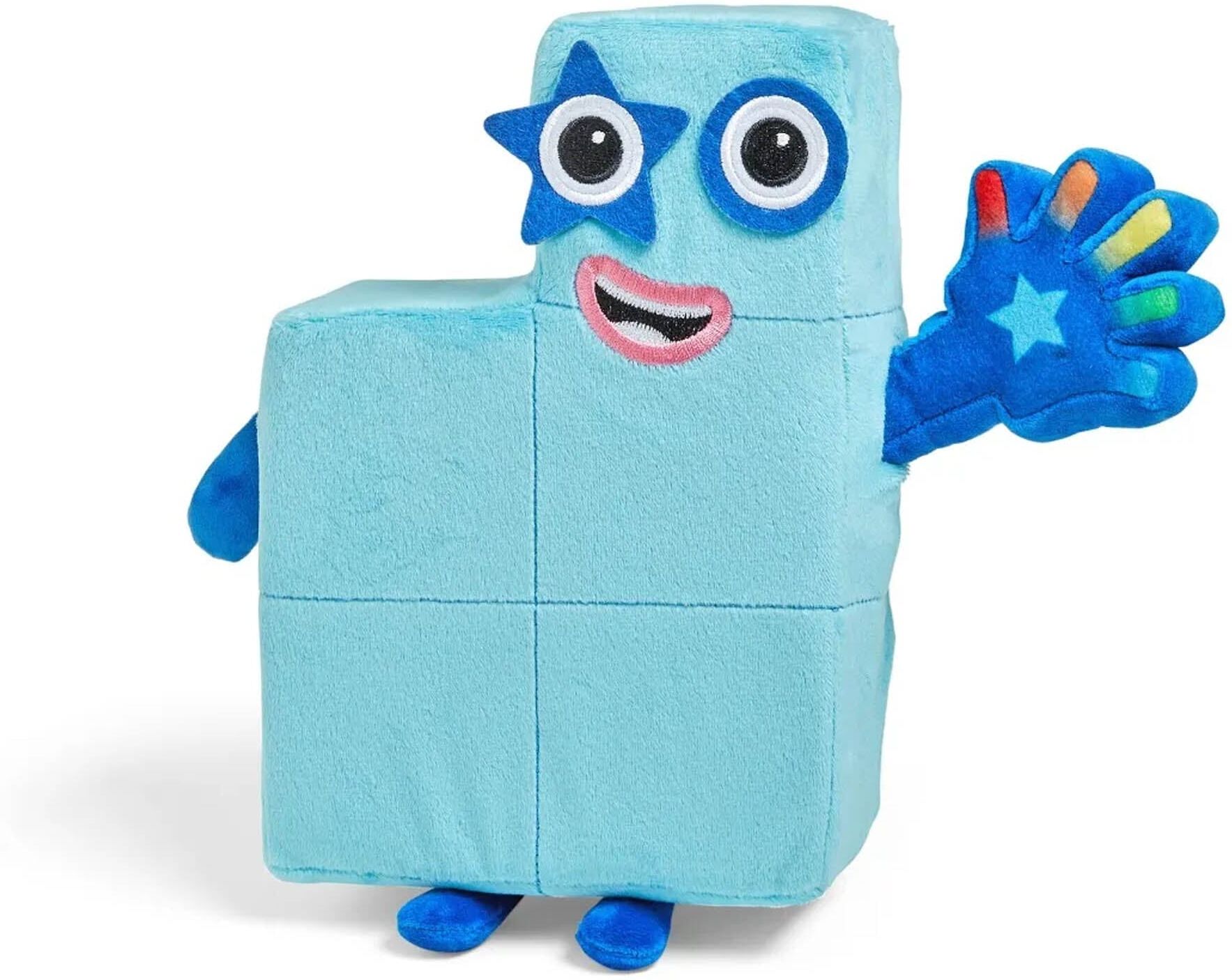
Learning Resources Sing-Along Numberblock Five Plush Interactive Toy, Counting Toy - Age 3+ Learning ResourcesGive a big hand for Sing-Along Numberblock Five, the interactive cuddly toy who’s a real star! This cuddly toy helps little ones build counting and colour recognition skills through imaginative play and interactive learning with the friendly Numberblock Five. Numberblock Five has her famous High Five Hand – just like in the episodes! See each finger light up and count along from 1–5. Numberblock Five is the lead singer in the band. Listen as she shares 12 phrases and songs including the Numberblocks theme tune. Numberblock Five measures approx. 28cm W x 27cm H. Requires 3 AAA batteries (included). Numberblocks Playful Pals One & Two and Three & Four are also available26,99 £*Shipping: 2,99 £Secure redirect to the provider
-
Sesderma Reti Age 5 Liposomal Serum Anti-Aging Innovation 30mLA facial serum for wrinkles and signs of ageing. Reduces wrinkles and fine lines. Hydrates and strengthens barrier. Restores youthful radiance. 5-Retinoid System: smooths wrinkles, accelerates renewal, and boosts collagen. Biomimetic Peptides: fill expression lines by stimulating collagen synthesis.54,51 £*Shipping: 5,34 £Secure redirect to the provider
-
Are high school graduates intellectual?
High school graduates can be intellectual, but it ultimately depends on the individual. Some high school graduates may have developed strong critical thinking skills, a thirst for knowledge, and a passion for learning, which are all characteristics of intellectual individuals. However, not all high school graduates may possess these traits, as intellectualism is not solely determined by academic achievement. It is important to recognize that intellectualism can manifest in various forms and is not limited to formal education. **
-
Can intellectual disability be cured?
Intellectual disability is not a condition that can be "cured" in the traditional sense. It is a lifelong condition that affects a person's cognitive abilities and adaptive functioning. However, with appropriate support, individuals with intellectual disabilities can learn new skills, improve their abilities, and lead fulfilling lives. Early intervention, educational support, and access to resources and services can help individuals with intellectual disabilities reach their full potential and lead independent lives to the best of their abilities. It's important to focus on providing the necessary support and accommodations rather than seeking a cure. **
-
Can animals develop intellectual disabilities?
Yes, animals can develop intellectual disabilities. Just like humans, animals can experience developmental disorders or brain injuries that affect their cognitive abilities. These disabilities can impact an animal's ability to learn, problem-solve, and interact with their environment. It is important for animal caregivers and veterinarians to be aware of these conditions and provide appropriate support and care for animals with intellectual disabilities. **
-
What is an intellectual hobby?
An intellectual hobby is a leisure activity that involves engaging in activities that stimulate the mind and require critical thinking, creativity, and problem-solving skills. These hobbies often involve learning new concepts, exploring complex ideas, or engaging in activities that challenge the intellect. Examples of intellectual hobbies include reading, writing, solving puzzles, playing strategic games, and engaging in philosophical discussions. These hobbies not only provide enjoyment and relaxation but also help to improve cognitive abilities and expand knowledge. **
* All prices are inclusive of VAT and, if applicable, plus shipping costs. The offer information is based on the details provided by the respective shop and is updated through automated processes. Real-time updates do not occur, so deviations can occur in individual cases. ** Note: Parts of this content were created by AI.