Buy immersiveeducation.eu ?
We are moving the project
immersiveeducation.eu .
Are you interested in purchasing the domain
immersiveeducation.eu ?
domain@kv-gmbh.de · 0541-91531010
Buy immersiveeducation.eu ?
Is cloning identity fraud?
Cloning is not the same as identity fraud. Cloning refers to the creation of a genetically identical copy of an organism, while identity fraud involves using someone else's personal information for fraudulent purposes. While cloning may raise ethical and moral concerns, it is not the same as the criminal act of identity fraud. However, the potential misuse of cloned genetic material could potentially lead to identity fraud if used to create false identities. **
What does cloning mean?
Cloning is the process of creating an identical copy of an organism or a specific gene or DNA sequence. This can be done through various techniques, such as somatic cell nuclear transfer or gene cloning. Cloning can be used for a variety of purposes, including scientific research, medical treatments, and agricultural practices. However, it also raises ethical and moral concerns, particularly when it comes to cloning humans. **


Similar search terms for Cloning
Top-Angebote
Products related to Cloning:
-
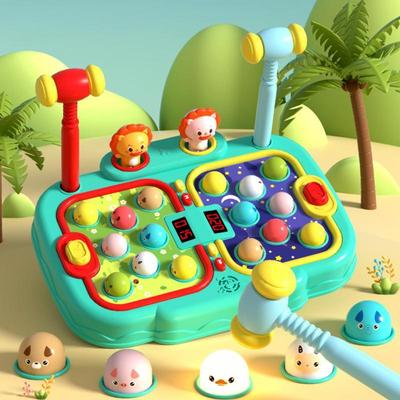
Inspired Deals Smart Squirrel Interactive Learning Toy For Kids Smart Squirrel Interactive Learning Toy For KidsMake playtime feel brighter, smarter, and more connected with this interactive toy for kids. Designed for toddlers and young learners, it turns tapping games, sounds, colors, and challenges into joyful learning moments. This educational toy for...104,97 $*Shipping: 0,00 $Secure redirect to the provider
-
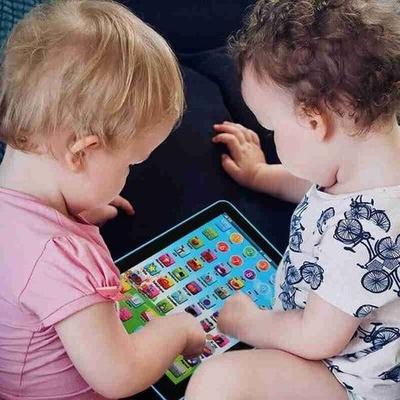
The Cart Load Educational Learning Toys For Kids, Toddlers, Fun Interactive Learning, Alphabet, Numbers, Colors, And Animals Educational Learning Toys For Kids, Toddlers, Fun Interactive Learning, Alphabet, Numbers, Colors, And AnimalsUnlock the world of learning with this Educational Learning Toy for Kids! Designed for toddlers aged 3 to 8, this interactive learning pad combines sight, touch, and hearing to stimulate curiosity and develop essential skills. Perfect for enhancing...41,97 $*Shipping: 0,00 $Secure redirect to the provider
-
PRiME 2024 NEW Educational Learning Toys For Kids Toddlers Interactive Touch & Sound Learning Tablet For Boys & Girls 2024 NEW Educational Learning Toys For Kids Toddlers Interactive Touch & Sound Learning Tablet For Boys & Girlsooking for a fun and educational toy for toddlers and kids age 2 to 7 This 2024 NEW educational learning toy combines interactive touch, sound, and colorful visuals to create an engaging, screenfree learning experience that develops core skills and...29,97 $*Shipping: 0,00 $Secure redirect to the provider
-
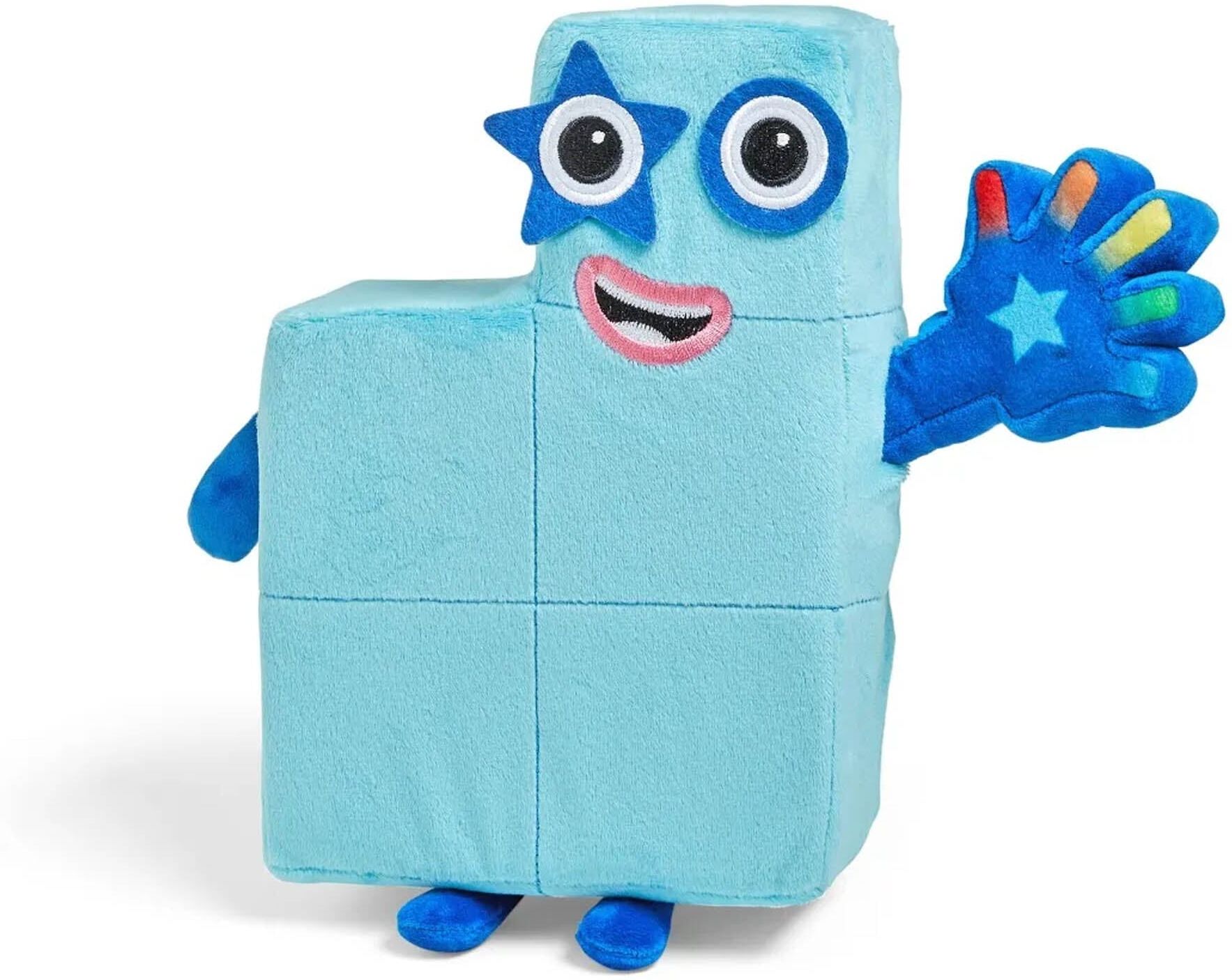
Learning Resources Sing-Along Numberblock Five Plush Interactive Toy, Counting Toy - Age 3+ Learning ResourcesGive a big hand for Sing-Along Numberblock Five, the interactive cuddly toy who’s a real star! This cuddly toy helps little ones build counting and colour recognition skills through imaginative play and interactive learning with the friendly Numberblock Five. Numberblock Five has her famous High Five Hand – just like in the episodes! See each finger light up and count along from 1–5. Numberblock Five is the lead singer in the band. Listen as she shares 12 phrases and songs including the Numberblocks theme tune. Numberblock Five measures approx. 28cm W x 27cm H. Requires 3 AAA batteries (included). Numberblocks Playful Pals One & Two and Three & Four are also available26,99 £*Shipping: 2,99 £Secure redirect to the provider

-
How is cloning applied?
Cloning is applied in various fields such as agriculture, medicine, and research. In agriculture, cloning is used to produce genetically identical plants or animals with desirable traits, such as disease resistance or high yield. In medicine, cloning is used to create stem cells for potential therapeutic purposes, or to produce animal models for studying diseases. In research, cloning is used to study genetic and developmental processes, as well as to preserve endangered species. Overall, cloning has a wide range of applications with potential benefits in different fields. **
-
How does cloning work?
Cloning is the process of creating a genetically identical copy of an organism. In the case of reproductive cloning, the nucleus of a donor cell is inserted into an egg cell that has had its nucleus removed. The egg cell is then stimulated to divide and develop into an embryo, which is then implanted into a surrogate mother. In the case of therapeutic cloning, the cloned embryo is used to harvest stem cells for medical research and potential treatment of diseases. The process of cloning has ethical and scientific implications and continues to be a topic of debate and research. **
-
What do you think about human cloning and the associated therapeutic cloning?
I believe that human cloning raises ethical concerns regarding individuality, identity, and the potential exploitation of cloned individuals. However, therapeutic cloning, which involves creating cloned embryos for medical research and potential treatments, holds promise for advancing regenerative medicine and treating various diseases. It is important to carefully consider the ethical implications and regulations surrounding these practices to ensure that they are used responsibly and ethically. **
-
What is therapeutic cloning and what is the difference to reproductive cloning?
Therapeutic cloning, also known as somatic cell nuclear transfer, is a process in which a cell from a patient is used to create an embryo that is genetically identical to the patient. The purpose of therapeutic cloning is to harvest stem cells from the embryo, which can then be used for medical treatments and research. Reproductive cloning, on the other hand, is the process of creating a genetically identical copy of an organism. This is typically done by transferring the nucleus of a donor cell into an egg cell that has had its nucleus removed, and then implanting the resulting embryo into a surrogate mother. The goal of reproductive cloning is to produce a living organism with the same genetic makeup as the donor. The main difference between therapeutic cloning and reproductive cloning is the intended outcome: therapeutic cloning is focused on producing stem cells for medical purposes, while reproductive cloning is focused on creating a living organism. **

Why is cloning morally questionable?
Cloning is morally questionable for several reasons. Firstly, it raises ethical concerns about the potential exploitation of cloned individuals and the potential for creating life solely for the purpose of benefiting others. Additionally, cloning raises questions about the uniqueness and individuality of each person, as well as the potential psychological and emotional impact on the cloned individual. Furthermore, there are concerns about the potential for unintended consequences and the long-term effects of cloning on the natural diversity of the human population. Overall, the moral implications of cloning raise significant ethical concerns that need to be carefully considered. **
Where is reproductive cloning applied?
Reproductive cloning is applied in the field of animal breeding and genetic research. It is used to create genetically identical animals for agricultural purposes, such as producing high-quality livestock or preserving endangered species. Reproductive cloning has also been used in scientific research to study the effects of genetic modifications and to develop new medical treatments. However, it is not currently used in human reproduction due to ethical and safety concerns. **
Top-Angebote
Products related to Cloning:
-
Multicon Wholesale Hub Educational Learning Toys For Kids Fun, Interactive Learning Play For Toddlers Educational Learning Toys For Kids Fun, Interactive Learning Play For ToddlersSpark your child's curiosity and enhance their learning journey with these educational learning toys designed for toddlers ages 27. Carefully crafted to promote cognitive and motor skills, this interactive toy set offers a variety of activities that...59,97 $*Shipping: 0,00 $Secure redirect to the provider
-
The Cart Load NEW Educational Learning Toys For Kids, Toddlers, Interactive Learning Pad, Best Early Learning Tool For Children NEW Educational Learning Toys For Kids, Toddlers, Interactive Learning Pad, Best Early Learning Tool For ChildrenStimulate Learning Through Synergy with the NEW Educational Learning Toys for Kid Give your child a head start in their learning journey with the NEW Educational Learning Toys for Kids, designed to captivate and engage toddlers aged 2 to 7. This...39,97 $*Shipping: 0,00 $Secure redirect to the provider
-
Inspired Deals Smart Squirrel Interactive Learning Toy For Kids Smart Squirrel Interactive Learning Toy For KidsMake playtime feel brighter, smarter, and more connected with this interactive toy for kids. Designed for toddlers and young learners, it turns tapping games, sounds, colors, and challenges into joyful learning moments. This educational toy for...104,97 $*Shipping: 0,00 $Secure redirect to the provider
-
The Cart Load Educational Learning Toys For Kids, Toddlers, Fun Interactive Learning, Alphabet, Numbers, Colors, And Animals Educational Learning Toys For Kids, Toddlers, Fun Interactive Learning, Alphabet, Numbers, Colors, And AnimalsUnlock the world of learning with this Educational Learning Toy for Kids! Designed for toddlers aged 3 to 8, this interactive learning pad combines sight, touch, and hearing to stimulate curiosity and develop essential skills. Perfect for enhancing...41,97 $*Shipping: 0,00 $Secure redirect to the provider
-
Is cloning identity fraud?
Cloning is not the same as identity fraud. Cloning refers to the creation of a genetically identical copy of an organism, while identity fraud involves using someone else's personal information for fraudulent purposes. While cloning may raise ethical and moral concerns, it is not the same as the criminal act of identity fraud. However, the potential misuse of cloned genetic material could potentially lead to identity fraud if used to create false identities. **
-
What does cloning mean?
Cloning is the process of creating an identical copy of an organism or a specific gene or DNA sequence. This can be done through various techniques, such as somatic cell nuclear transfer or gene cloning. Cloning can be used for a variety of purposes, including scientific research, medical treatments, and agricultural practices. However, it also raises ethical and moral concerns, particularly when it comes to cloning humans. **
-
How is cloning applied?
Cloning is applied in various fields such as agriculture, medicine, and research. In agriculture, cloning is used to produce genetically identical plants or animals with desirable traits, such as disease resistance or high yield. In medicine, cloning is used to create stem cells for potential therapeutic purposes, or to produce animal models for studying diseases. In research, cloning is used to study genetic and developmental processes, as well as to preserve endangered species. Overall, cloning has a wide range of applications with potential benefits in different fields. **
-
How does cloning work?
Cloning is the process of creating a genetically identical copy of an organism. In the case of reproductive cloning, the nucleus of a donor cell is inserted into an egg cell that has had its nucleus removed. The egg cell is then stimulated to divide and develop into an embryo, which is then implanted into a surrogate mother. In the case of therapeutic cloning, the cloned embryo is used to harvest stem cells for medical research and potential treatment of diseases. The process of cloning has ethical and scientific implications and continues to be a topic of debate and research. **
Similar search terms for Cloning
-
PRiME 2024 NEW Educational Learning Toys For Kids Toddlers Interactive Touch & Sound Learning Tablet For Boys & Girls 2024 NEW Educational Learning Toys For Kids Toddlers Interactive Touch & Sound Learning Tablet For Boys & Girlsooking for a fun and educational toy for toddlers and kids age 2 to 7 This 2024 NEW educational learning toy combines interactive touch, sound, and colorful visuals to create an engaging, screenfree learning experience that develops core skills and...29,97 $*Shipping: 0,00 $Secure redirect to the provider
-
Learning Resources Sing-Along Numberblock Five Plush Interactive Toy, Counting Toy - Age 3+ Learning ResourcesGive a big hand for Sing-Along Numberblock Five, the interactive cuddly toy who’s a real star! This cuddly toy helps little ones build counting and colour recognition skills through imaginative play and interactive learning with the friendly Numberblock Five. Numberblock Five has her famous High Five Hand – just like in the episodes! See each finger light up and count along from 1–5. Numberblock Five is the lead singer in the band. Listen as she shares 12 phrases and songs including the Numberblocks theme tune. Numberblock Five measures approx. 28cm W x 27cm H. Requires 3 AAA batteries (included). Numberblocks Playful Pals One & Two and Three & Four are also available26,99 £*Shipping: 2,99 £Secure redirect to the provider
-
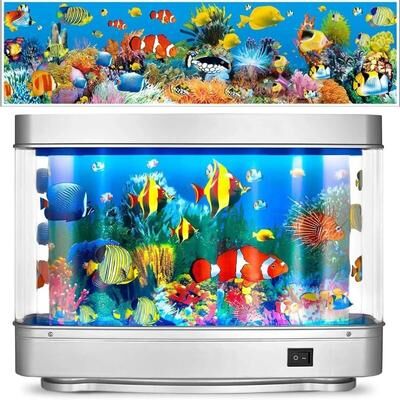
Uplift Essentials Virtual Motion Ocean Aquarium Lamp Virtual Motion Ocean Aquarium Lamp"Experience the tranquil beauty of the deep blue without the maintenance of a real tank with the Virtual Motion Ocean Aquarium Lamp. This creative decorative piece uses highdefinition ""moving picture"" technology to simulate a vibrant tropical reef,..."79,97 $*Shipping: 0,00 $Secure redirect to the provider
-
Uplift Essentials Serene Motion Virtual Aquarium Lamp Serene Motion Virtual Aquarium Lamp"Bring the soothing magic of the underwater world to your tabletop with the Serene Motion Virtual Aquarium Lamp. This highdefinition desktop aquarium decorative light uses advanced ""movingpicture"" technology to create a mesmerizing, continuous swim..."82,97 $*Shipping: 0,00 $Secure redirect to the provider
-
What do you think about human cloning and the associated therapeutic cloning?
I believe that human cloning raises ethical concerns regarding individuality, identity, and the potential exploitation of cloned individuals. However, therapeutic cloning, which involves creating cloned embryos for medical research and potential treatments, holds promise for advancing regenerative medicine and treating various diseases. It is important to carefully consider the ethical implications and regulations surrounding these practices to ensure that they are used responsibly and ethically. **
-
What is therapeutic cloning and what is the difference to reproductive cloning?
Therapeutic cloning, also known as somatic cell nuclear transfer, is a process in which a cell from a patient is used to create an embryo that is genetically identical to the patient. The purpose of therapeutic cloning is to harvest stem cells from the embryo, which can then be used for medical treatments and research. Reproductive cloning, on the other hand, is the process of creating a genetically identical copy of an organism. This is typically done by transferring the nucleus of a donor cell into an egg cell that has had its nucleus removed, and then implanting the resulting embryo into a surrogate mother. The goal of reproductive cloning is to produce a living organism with the same genetic makeup as the donor. The main difference between therapeutic cloning and reproductive cloning is the intended outcome: therapeutic cloning is focused on producing stem cells for medical purposes, while reproductive cloning is focused on creating a living organism. **
-
Why is cloning morally questionable?
Cloning is morally questionable for several reasons. Firstly, it raises ethical concerns about the potential exploitation of cloned individuals and the potential for creating life solely for the purpose of benefiting others. Additionally, cloning raises questions about the uniqueness and individuality of each person, as well as the potential psychological and emotional impact on the cloned individual. Furthermore, there are concerns about the potential for unintended consequences and the long-term effects of cloning on the natural diversity of the human population. Overall, the moral implications of cloning raise significant ethical concerns that need to be carefully considered. **
-
Where is reproductive cloning applied?
Reproductive cloning is applied in the field of animal breeding and genetic research. It is used to create genetically identical animals for agricultural purposes, such as producing high-quality livestock or preserving endangered species. Reproductive cloning has also been used in scientific research to study the effects of genetic modifications and to develop new medical treatments. However, it is not currently used in human reproduction due to ethical and safety concerns. **
* All prices are inclusive of VAT and, if applicable, plus shipping costs. The offer information is based on the details provided by the respective shop and is updated through automated processes. Real-time updates do not occur, so deviations can occur in individual cases. ** Note: Parts of this content were created by AI.