Buy immersiveeducation.eu ?
We are moving the project
immersiveeducation.eu .
Are you interested in purchasing the domain
immersiveeducation.eu ?
domain@kv-gmbh.de · 0541-91531010
Buy immersiveeducation.eu ?
What is a hydroxyl group in alcohols?
A hydroxyl group in alcohols is a functional group consisting of an oxygen atom bonded to a hydrogen atom, which is then bonded to a carbon atom in the alcohol molecule. This group is responsible for the characteristic properties of alcohols, such as their ability to form hydrogen bonds and their ability to participate in various chemical reactions. The presence of the hydroxyl group also gives alcohols their distinctive physical and chemical properties, such as their solubility in water and their ability to undergo oxidation reactions. **
Why are hemiacetal hydroxyl groups more reactive?
Hemiacetal hydroxyl groups are more reactive than regular hydroxyl groups because they are attached to a carbon atom that is also bonded to an oxygen atom. This makes the carbon atom partially positive, increasing the electrophilicity of the hydroxyl group. As a result, hemiacetal hydroxyl groups are more prone to nucleophilic attack, making them more reactive in various chemical reactions such as acetal formation or hydrolysis. **


Similar search terms for Hydroxyl
Top-Angebote
Products related to Hydroxyl:
-
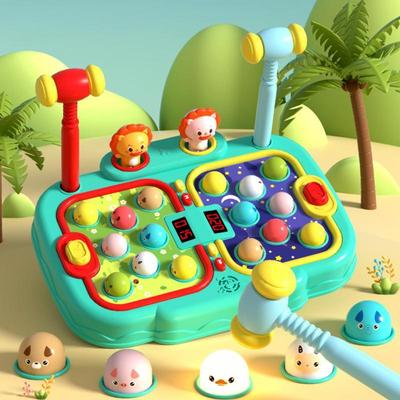
Inspired Deals Smart Squirrel Interactive Learning Toy For Kids Smart Squirrel Interactive Learning Toy For KidsMake playtime feel brighter, smarter, and more connected with this interactive toy for kids. Designed for toddlers and young learners, it turns tapping games, sounds, colors, and challenges into joyful learning moments. This educational toy for...104,97 $*Shipping: 0,00 $Secure redirect to the provider
-
The Cart Load Educational Learning Toys For Kids, Toddlers, Fun Interactive Learning, Alphabet, Numbers, Colors, And Animals Educational Learning Toys For Kids, Toddlers, Fun Interactive Learning, Alphabet, Numbers, Colors, And AnimalsUnlock the world of learning with this Educational Learning Toy for Kids! Designed for toddlers aged 3 to 8, this interactive learning pad combines sight, touch, and hearing to stimulate curiosity and develop essential skills. Perfect for enhancing...41,97 $*Shipping: 0,00 $Secure redirect to the provider
-
PRiME 2024 NEW Educational Learning Toys For Kids Toddlers Interactive Touch & Sound Learning Tablet For Boys & Girls 2024 NEW Educational Learning Toys For Kids Toddlers Interactive Touch & Sound Learning Tablet For Boys & Girlsooking for a fun and educational toy for toddlers and kids age 2 to 7 This 2024 NEW educational learning toy combines interactive touch, sound, and colorful visuals to create an engaging, screenfree learning experience that develops core skills and...29,97 $*Shipping: 0,00 $Secure redirect to the provider
-
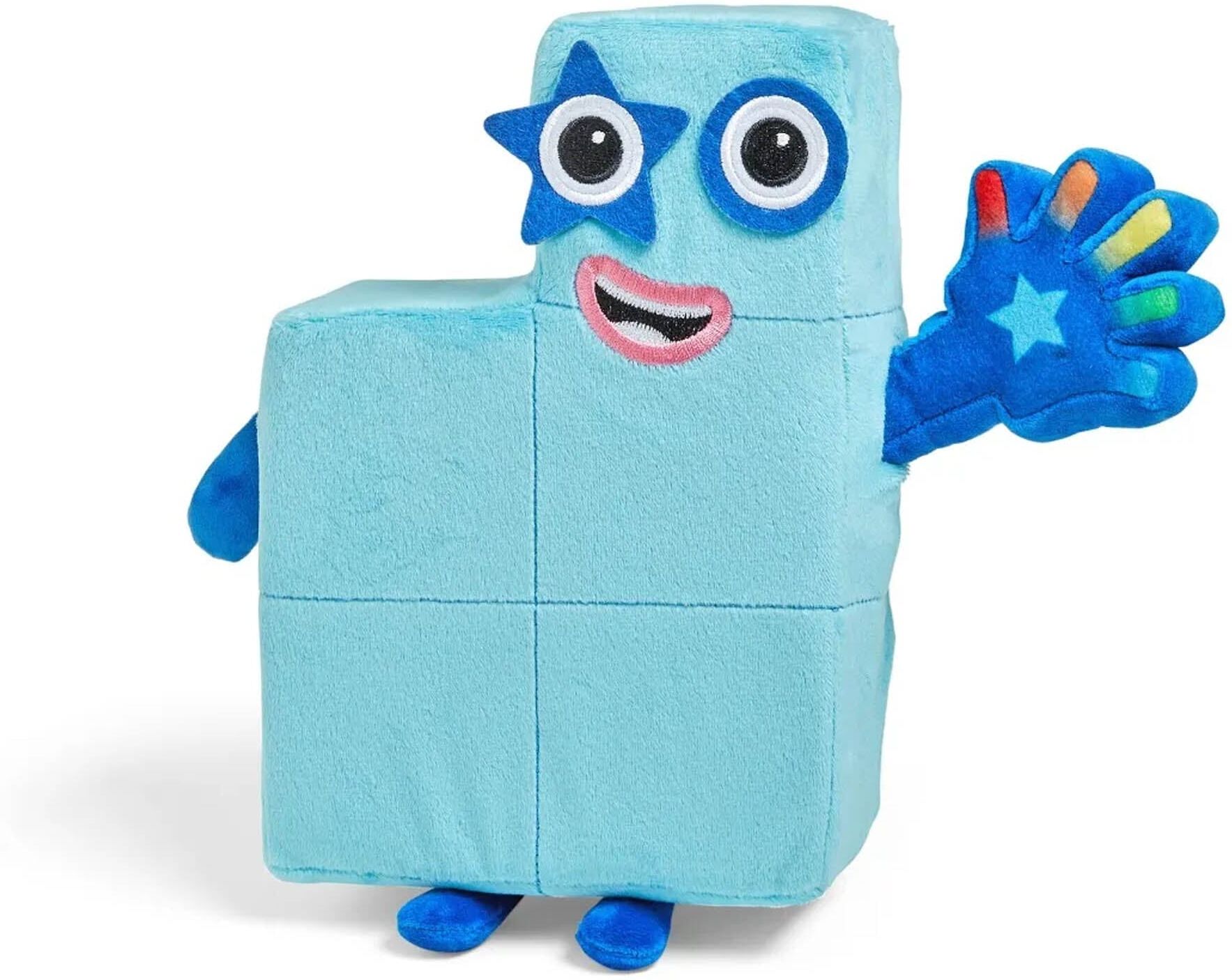
Learning Resources Sing-Along Numberblock Five Plush Interactive Toy, Counting Toy - Age 3+ Learning ResourcesGive a big hand for Sing-Along Numberblock Five, the interactive cuddly toy who’s a real star! This cuddly toy helps little ones build counting and colour recognition skills through imaginative play and interactive learning with the friendly Numberblock Five. Numberblock Five has her famous High Five Hand – just like in the episodes! See each finger light up and count along from 1–5. Numberblock Five is the lead singer in the band. Listen as she shares 12 phrases and songs including the Numberblocks theme tune. Numberblock Five measures approx. 28cm W x 27cm H. Requires 3 AAA batteries (included). Numberblocks Playful Pals One & Two and Three & Four are also available26,99 £*Shipping: 2,99 £Secure redirect to the provider


-
What is the question about the hydroxyl groups?
The question about hydroxyl groups could be related to their chemical properties, such as their ability to form hydrogen bonds and affect the solubility of organic compounds. It could also be about their role in biological molecules, suchjson as carbohydrates and alcohols, and how they contribute to the function of these molecules. Additionally, the question could be about the methods for identifying hydroxyl groups in a compound, such as through chemical tests or spectroscopic techniques. **
-
Why is the hydroxyl group on the anomeric carbon atom more reactive than the other hydroxyl group of the glucose molecule?
The hydroxyl group on the anomeric carbon atom of glucose is more reactive because it is part of the hemiacetal functional group, which is less stable than the hemiketal functional group found on the other hydroxyl group. The anomeric carbon is also more susceptible to nucleophilic attack due to its position in the ring structure, making it more reactive. Additionally, the anomeric hydroxyl group can easily undergo mutarotation, converting between the alpha and beta forms, further increasing its reactivity. **
-
Why are alkyl groups hydrophobic and hydroxyl groups hydrophilic?
Alkyl groups are hydrophobic because they consist of nonpolar carbon and hydrogen atoms, which do not interact well with water molecules. This causes them to repel water and prefer to interact with other nonpolar molecules. On the other hand, hydroxyl groups are hydrophilic because they contain a polar covalent bond between oxygen and hydrogen, creating a partial negative charge on the oxygen and a partial positive charge on the hydrogen. This polarity allows hydroxyl groups to form hydrogen bonds with water molecules, making them soluble in water and thus hydrophilic. **
-
How can one recognize hydroxyl groups and carboxyl groups?
Hydroxyl groups can be recognized by the presence of an -OH functional group, which consists of an oxygen atom bonded to a hydrogen atom. Carboxyl groups can be recognized by the presence of a -COOH functional group, which consists of a carbonyl group (C=O) bonded to a hydroxyl group (-OH). Both hydroxyl and carboxyl groups are polar and can participate in hydrogen bonding, which gives them distinctive chemical properties. Additionally, hydroxyl groups are commonly found in alcohols and carbohydrates, while carboxyl groups are commonly found in organic acids and amino acids. **
Why do acids donate protons, but hydroxyl groups do not?
Acids donate protons because they have a tendency to lose a hydrogen ion (H+) in solution, making them capable of donating protons to other substances. This is due to the presence of a polar covalent bond between the hydrogen and the electronegative atom in the acid molecule. On the other hand, hydroxyl groups do not donate protons because the oxygen atom in the hydroxyl group is more electronegative than the hydrogen atom, resulting in a stronger bond between them. As a result, hydroxyl groups are more likely to accept protons rather than donate them. **
What is the difference between a hydroxyl group and hydroxide ions?
A hydroxyl group is a functional group consisting of an oxygen atom covalently bonded to a hydrogen atom, typically attached to a carbon atom in an organic compound. On the other hand, hydroxide ions are negatively charged ions consisting of an oxygen atom covalently bonded to a hydrogen atom, but with an additional electron, giving it a net charge of -1. Hydroxyl groups are found in organic molecules, while hydroxide ions are typically found in aqueous solutions as a result of the dissociation of water molecules. **
Top-Angebote
Products related to Hydroxyl:
-
Multicon Wholesale Hub Educational Learning Toys For Kids Fun, Interactive Learning Play For Toddlers Educational Learning Toys For Kids Fun, Interactive Learning Play For ToddlersSpark your child's curiosity and enhance their learning journey with these educational learning toys designed for toddlers ages 27. Carefully crafted to promote cognitive and motor skills, this interactive toy set offers a variety of activities that...59,97 $*Shipping: 0,00 $Secure redirect to the provider
-
The Cart Load NEW Educational Learning Toys For Kids, Toddlers, Interactive Learning Pad, Best Early Learning Tool For Children NEW Educational Learning Toys For Kids, Toddlers, Interactive Learning Pad, Best Early Learning Tool For ChildrenStimulate Learning Through Synergy with the NEW Educational Learning Toys for Kid Give your child a head start in their learning journey with the NEW Educational Learning Toys for Kids, designed to captivate and engage toddlers aged 2 to 7. This...39,97 $*Shipping: 0,00 $Secure redirect to the provider
-
Inspired Deals Smart Squirrel Interactive Learning Toy For Kids Smart Squirrel Interactive Learning Toy For KidsMake playtime feel brighter, smarter, and more connected with this interactive toy for kids. Designed for toddlers and young learners, it turns tapping games, sounds, colors, and challenges into joyful learning moments. This educational toy for...104,97 $*Shipping: 0,00 $Secure redirect to the provider
-
The Cart Load Educational Learning Toys For Kids, Toddlers, Fun Interactive Learning, Alphabet, Numbers, Colors, And Animals Educational Learning Toys For Kids, Toddlers, Fun Interactive Learning, Alphabet, Numbers, Colors, And AnimalsUnlock the world of learning with this Educational Learning Toy for Kids! Designed for toddlers aged 3 to 8, this interactive learning pad combines sight, touch, and hearing to stimulate curiosity and develop essential skills. Perfect for enhancing...41,97 $*Shipping: 0,00 $Secure redirect to the provider
-
What is a hydroxyl group in alcohols?
A hydroxyl group in alcohols is a functional group consisting of an oxygen atom bonded to a hydrogen atom, which is then bonded to a carbon atom in the alcohol molecule. This group is responsible for the characteristic properties of alcohols, such as their ability to form hydrogen bonds and their ability to participate in various chemical reactions. The presence of the hydroxyl group also gives alcohols their distinctive physical and chemical properties, such as their solubility in water and their ability to undergo oxidation reactions. **
-
Why are hemiacetal hydroxyl groups more reactive?
Hemiacetal hydroxyl groups are more reactive than regular hydroxyl groups because they are attached to a carbon atom that is also bonded to an oxygen atom. This makes the carbon atom partially positive, increasing the electrophilicity of the hydroxyl group. As a result, hemiacetal hydroxyl groups are more prone to nucleophilic attack, making them more reactive in various chemical reactions such as acetal formation or hydrolysis. **
-
What is the question about the hydroxyl groups?
The question about hydroxyl groups could be related to their chemical properties, such as their ability to form hydrogen bonds and affect the solubility of organic compounds. It could also be about their role in biological molecules, suchjson as carbohydrates and alcohols, and how they contribute to the function of these molecules. Additionally, the question could be about the methods for identifying hydroxyl groups in a compound, such as through chemical tests or spectroscopic techniques. **
-
Why is the hydroxyl group on the anomeric carbon atom more reactive than the other hydroxyl group of the glucose molecule?
The hydroxyl group on the anomeric carbon atom of glucose is more reactive because it is part of the hemiacetal functional group, which is less stable than the hemiketal functional group found on the other hydroxyl group. The anomeric carbon is also more susceptible to nucleophilic attack due to its position in the ring structure, making it more reactive. Additionally, the anomeric hydroxyl group can easily undergo mutarotation, converting between the alpha and beta forms, further increasing its reactivity. **
Similar search terms for Hydroxyl
-
PRiME 2024 NEW Educational Learning Toys For Kids Toddlers Interactive Touch & Sound Learning Tablet For Boys & Girls 2024 NEW Educational Learning Toys For Kids Toddlers Interactive Touch & Sound Learning Tablet For Boys & Girlsooking for a fun and educational toy for toddlers and kids age 2 to 7 This 2024 NEW educational learning toy combines interactive touch, sound, and colorful visuals to create an engaging, screenfree learning experience that develops core skills and...29,97 $*Shipping: 0,00 $Secure redirect to the provider
-
Learning Resources Sing-Along Numberblock Five Plush Interactive Toy, Counting Toy - Age 3+ Learning ResourcesGive a big hand for Sing-Along Numberblock Five, the interactive cuddly toy who’s a real star! This cuddly toy helps little ones build counting and colour recognition skills through imaginative play and interactive learning with the friendly Numberblock Five. Numberblock Five has her famous High Five Hand – just like in the episodes! See each finger light up and count along from 1–5. Numberblock Five is the lead singer in the band. Listen as she shares 12 phrases and songs including the Numberblocks theme tune. Numberblock Five measures approx. 28cm W x 27cm H. Requires 3 AAA batteries (included). Numberblocks Playful Pals One & Two and Three & Four are also available26,99 £*Shipping: 2,99 £Secure redirect to the provider
-
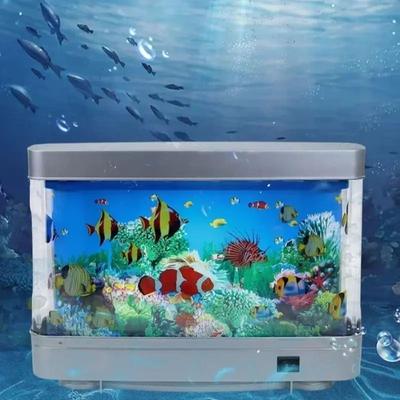
Uplift Essentials Serene Motion Virtual Aquarium Lamp Serene Motion Virtual Aquarium Lamp"Bring the soothing magic of the underwater world to your tabletop with the Serene Motion Virtual Aquarium Lamp. This highdefinition desktop aquarium decorative light uses advanced ""movingpicture"" technology to create a mesmerizing, continuous swim..."82,97 $*Shipping: 0,00 $Secure redirect to the provider
-
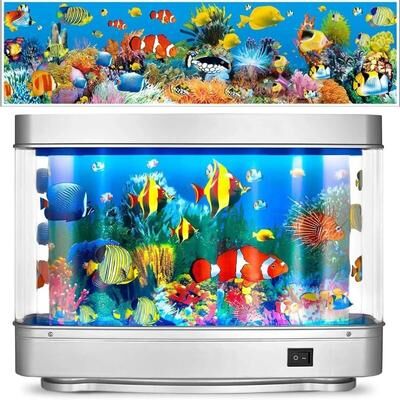
Uplift Essentials Virtual Motion Ocean Aquarium Lamp Virtual Motion Ocean Aquarium Lamp"Experience the tranquil beauty of the deep blue without the maintenance of a real tank with the Virtual Motion Ocean Aquarium Lamp. This creative decorative piece uses highdefinition ""moving picture"" technology to simulate a vibrant tropical reef,..."79,97 $*Shipping: 0,00 $Secure redirect to the provider
-
Why are alkyl groups hydrophobic and hydroxyl groups hydrophilic?
Alkyl groups are hydrophobic because they consist of nonpolar carbon and hydrogen atoms, which do not interact well with water molecules. This causes them to repel water and prefer to interact with other nonpolar molecules. On the other hand, hydroxyl groups are hydrophilic because they contain a polar covalent bond between oxygen and hydrogen, creating a partial negative charge on the oxygen and a partial positive charge on the hydrogen. This polarity allows hydroxyl groups to form hydrogen bonds with water molecules, making them soluble in water and thus hydrophilic. **
-
How can one recognize hydroxyl groups and carboxyl groups?
Hydroxyl groups can be recognized by the presence of an -OH functional group, which consists of an oxygen atom bonded to a hydrogen atom. Carboxyl groups can be recognized by the presence of a -COOH functional group, which consists of a carbonyl group (C=O) bonded to a hydroxyl group (-OH). Both hydroxyl and carboxyl groups are polar and can participate in hydrogen bonding, which gives them distinctive chemical properties. Additionally, hydroxyl groups are commonly found in alcohols and carbohydrates, while carboxyl groups are commonly found in organic acids and amino acids. **
-
Why do acids donate protons, but hydroxyl groups do not?
Acids donate protons because they have a tendency to lose a hydrogen ion (H+) in solution, making them capable of donating protons to other substances. This is due to the presence of a polar covalent bond between the hydrogen and the electronegative atom in the acid molecule. On the other hand, hydroxyl groups do not donate protons because the oxygen atom in the hydroxyl group is more electronegative than the hydrogen atom, resulting in a stronger bond between them. As a result, hydroxyl groups are more likely to accept protons rather than donate them. **
-
What is the difference between a hydroxyl group and hydroxide ions?
A hydroxyl group is a functional group consisting of an oxygen atom covalently bonded to a hydrogen atom, typically attached to a carbon atom in an organic compound. On the other hand, hydroxide ions are negatively charged ions consisting of an oxygen atom covalently bonded to a hydrogen atom, but with an additional electron, giving it a net charge of -1. Hydroxyl groups are found in organic molecules, while hydroxide ions are typically found in aqueous solutions as a result of the dissociation of water molecules. **
* All prices are inclusive of VAT and, if applicable, plus shipping costs. The offer information is based on the details provided by the respective shop and is updated through automated processes. Real-time updates do not occur, so deviations can occur in individual cases. ** Note: Parts of this content were created by AI.