Buy immersiveeducation.eu ?
We are moving the project
immersiveeducation.eu .
Are you interested in purchasing the domain
immersiveeducation.eu ?
domain@kv-gmbh.de · 0541-91531010
Buy immersiveeducation.eu ?
What is the simple explanation for anatomical morphological homology and anatomical morphological analogy?
Anatomical morphological homology refers to similarities in the structure of different organisms that are inherited from a common ancestor. These similarities are due to shared evolutionary history and can help scientists understand the relationships between different species. On the other hand, anatomical morphological analogy refers to similarities in structure between different organisms that are not due to shared ancestry but rather to similar environmental pressures leading to convergent evolution. This means that organisms develop similar traits independently in response to similar environmental challenges. **
What are functional and morphological adaptations?
Functional adaptations are changes in an organism's behavior or physiology that help it survive and reproduce in its environment. These adaptations can include things like camouflage, mimicry, or the ability to withstand extreme temperatures. Morphological adaptations, on the other hand, are physical changes in an organism's body structure that help it better perform certain functions. These adaptations can include things like the shape of a bird's beak for feeding, the size of a mammal's ears for hearing, or the coloration of an insect's wings for protection. **


Similar search terms for Morphological
Top-Angebote
Products related to Morphological:
-
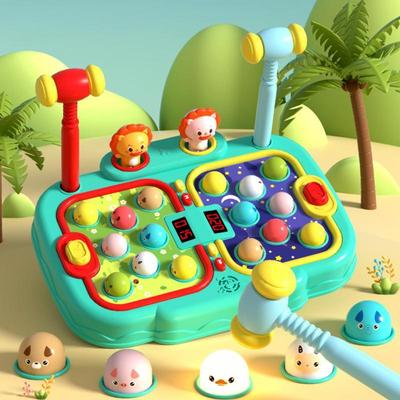
Inspired Deals Smart Squirrel Interactive Learning Toy For Kids Smart Squirrel Interactive Learning Toy For KidsMake playtime feel brighter, smarter, and more connected with this interactive toy for kids. Designed for toddlers and young learners, it turns tapping games, sounds, colors, and challenges into joyful learning moments. This educational toy for...104,97 $*Shipping: 0,00 $Secure redirect to the provider
-
The Cart Load Educational Learning Toys For Kids, Toddlers, Fun Interactive Learning, Alphabet, Numbers, Colors, And Animals Educational Learning Toys For Kids, Toddlers, Fun Interactive Learning, Alphabet, Numbers, Colors, And AnimalsUnlock the world of learning with this Educational Learning Toy for Kids! Designed for toddlers aged 3 to 8, this interactive learning pad combines sight, touch, and hearing to stimulate curiosity and develop essential skills. Perfect for enhancing...41,97 $*Shipping: 0,00 $Secure redirect to the provider
-
PRiME 2024 NEW Educational Learning Toys For Kids Toddlers Interactive Touch & Sound Learning Tablet For Boys & Girls 2024 NEW Educational Learning Toys For Kids Toddlers Interactive Touch & Sound Learning Tablet For Boys & Girlsooking for a fun and educational toy for toddlers and kids age 2 to 7 This 2024 NEW educational learning toy combines interactive touch, sound, and colorful visuals to create an engaging, screenfree learning experience that develops core skills and...29,97 $*Shipping: 0,00 $Secure redirect to the provider
-
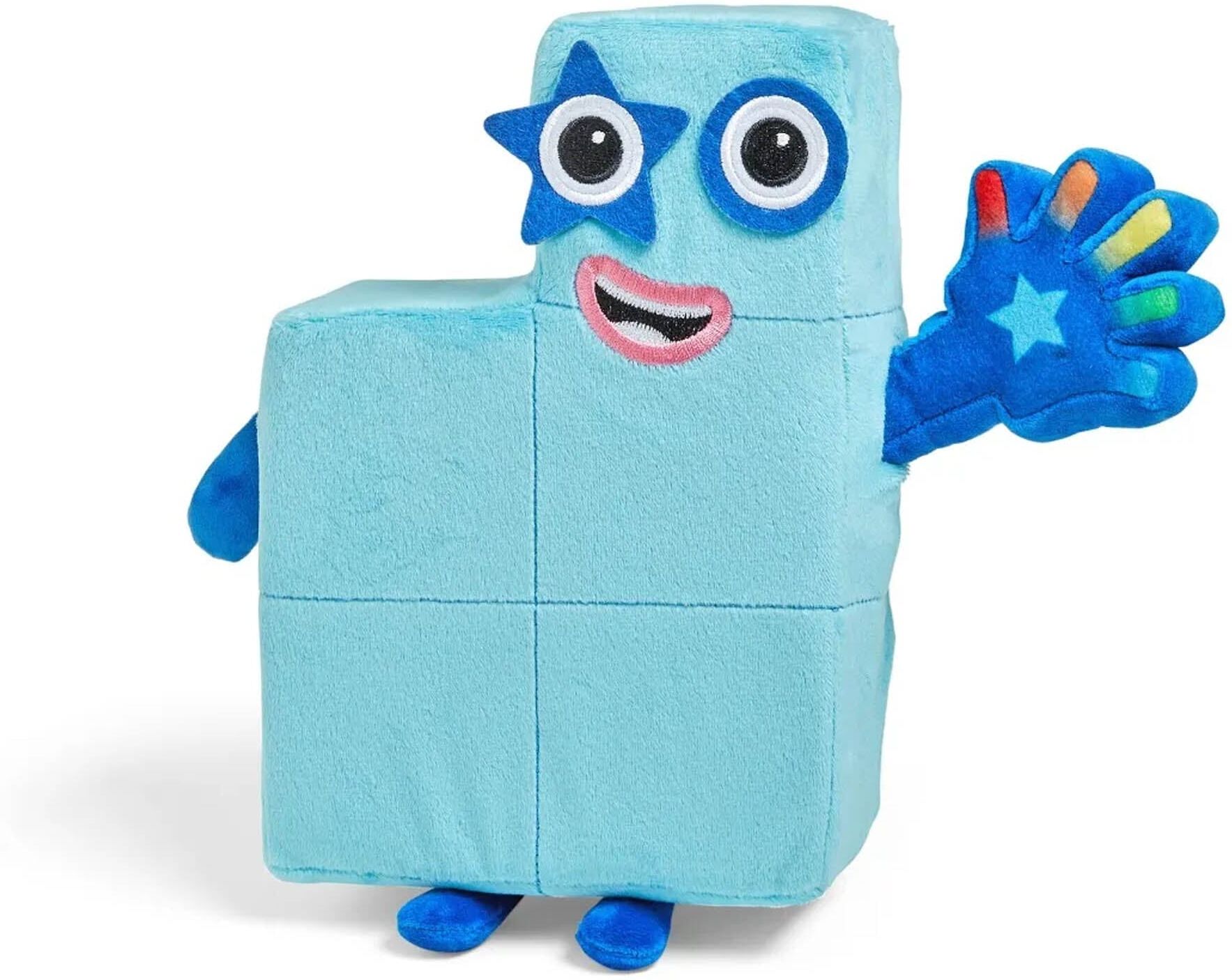
Learning Resources Sing-Along Numberblock Five Plush Interactive Toy, Counting Toy - Age 3+ Learning ResourcesGive a big hand for Sing-Along Numberblock Five, the interactive cuddly toy who’s a real star! This cuddly toy helps little ones build counting and colour recognition skills through imaginative play and interactive learning with the friendly Numberblock Five. Numberblock Five has her famous High Five Hand – just like in the episodes! See each finger light up and count along from 1–5. Numberblock Five is the lead singer in the band. Listen as she shares 12 phrases and songs including the Numberblocks theme tune. Numberblock Five measures approx. 28cm W x 27cm H. Requires 3 AAA batteries (included). Numberblocks Playful Pals One & Two and Three & Four are also available26,99 £*Shipping: 2,99 £Secure redirect to the provider


-
What is the morphological species concept?
The morphological species concept defines a species based on its physical characteristics, such as size, shape, color, and other observable traits. According to this concept, individuals that share similar morphological features are considered to belong to the same species. This concept is often used in the field of taxonomy and is particularly useful when genetic data is not available or when studying fossils. However, it has limitations, as individuals within a species can exhibit variation in their physical traits, and convergent evolution can lead to similar morphologies in unrelated species. **
-
What are morphological, physiological, and anatomical adaptations?
Morphological adaptations refer to physical features or structures that have evolved to help an organism survive in its environment, such as the shape of a bird's beak for feeding. Physiological adaptations are changes in an organism's internal functions, such as the ability of certain animals to regulate body temperature in extreme environments. Anatomical adaptations involve changes in the internal structure of an organism, such as the presence of specialized organs or tissues for specific functions, like the gills of fish for breathing underwater. These adaptations all help organisms to better survive and thrive in their specific habitats. **
-
What does morphological mean, dear bio experts?
Morphological refers to the study of the form and structure of organisms, including their physical characteristics and how they are related to their function. In biology, morphological analysis involves examining the shape, size, and other external features of organisms to understand their evolutionary relationships, adaptations, and ecological roles. This can include studying the external appearance of an organism as well as its internal structures, such as organs and tissues. Overall, morphological analysis is an important tool for understanding the diversity and complexity of life on Earth. **
-
How to create a cladogram using morphological characteristics?
To create a cladogram using morphological characteristics, you first need to gather a group of organisms and identify their morphological traits, such as body shape, presence of certain structures, or other physical characteristics. Then, you need to compare these traits and determine which organisms share similar characteristics. Next, you can use a branching diagram to represent the evolutionary relationships between the organisms, with the most closely related organisms grouped together. Finally, you can use this diagram to construct a cladogram, which is a visual representation of the evolutionary history and relationships between the organisms based on their morphological characteristics. **

What problems could arise in biology if only morphological aspects are used for systematic classification?
If only morphological aspects are used for systematic classification in biology, several problems could arise. Firstly, morphological characteristics can be influenced by environmental factors, making it difficult to accurately classify organisms based solely on their physical appearance. Additionally, convergent evolution can result in different species developing similar morphological traits, leading to misclassification. Furthermore, the use of only morphological aspects may overlook genetic and evolutionary relationships between organisms, leading to an incomplete understanding of their evolutionary history and relationships. Therefore, a comprehensive approach that includes molecular, genetic, and ecological data alongside morphological aspects is essential for accurate systematic classification in biology. **
What would be the problem in this case considering the systematic classification solely based on morphological aspects?
The problem with relying solely on morphological aspects for systematic classification is that it may not accurately reflect the evolutionary relationships between organisms. Morphological similarities can arise due to convergent evolution, where unrelated organisms develop similar traits due to similar environmental pressures. This can lead to misclassification and inaccurate understanding of evolutionary history. Additionally, morphological traits can be influenced by environmental factors, making it difficult to distinguish between true genetic similarities and environmentally induced similarities. Therefore, a classification system based solely on morphological aspects may not provide a complete and accurate representation of the evolutionary relationships between organisms. **
Top-Angebote
Products related to Morphological:
-
Multicon Wholesale Hub Educational Learning Toys For Kids Fun, Interactive Learning Play For Toddlers Educational Learning Toys For Kids Fun, Interactive Learning Play For ToddlersSpark your child's curiosity and enhance their learning journey with these educational learning toys designed for toddlers ages 27. Carefully crafted to promote cognitive and motor skills, this interactive toy set offers a variety of activities that...59,97 $*Shipping: 0,00 $Secure redirect to the provider
-
The Cart Load NEW Educational Learning Toys For Kids, Toddlers, Interactive Learning Pad, Best Early Learning Tool For Children NEW Educational Learning Toys For Kids, Toddlers, Interactive Learning Pad, Best Early Learning Tool For ChildrenStimulate Learning Through Synergy with the NEW Educational Learning Toys for Kid Give your child a head start in their learning journey with the NEW Educational Learning Toys for Kids, designed to captivate and engage toddlers aged 2 to 7. This...39,97 $*Shipping: 0,00 $Secure redirect to the provider
-
Inspired Deals Smart Squirrel Interactive Learning Toy For Kids Smart Squirrel Interactive Learning Toy For KidsMake playtime feel brighter, smarter, and more connected with this interactive toy for kids. Designed for toddlers and young learners, it turns tapping games, sounds, colors, and challenges into joyful learning moments. This educational toy for...104,97 $*Shipping: 0,00 $Secure redirect to the provider
-
The Cart Load Educational Learning Toys For Kids, Toddlers, Fun Interactive Learning, Alphabet, Numbers, Colors, And Animals Educational Learning Toys For Kids, Toddlers, Fun Interactive Learning, Alphabet, Numbers, Colors, And AnimalsUnlock the world of learning with this Educational Learning Toy for Kids! Designed for toddlers aged 3 to 8, this interactive learning pad combines sight, touch, and hearing to stimulate curiosity and develop essential skills. Perfect for enhancing...41,97 $*Shipping: 0,00 $Secure redirect to the provider
-
What is the simple explanation for anatomical morphological homology and anatomical morphological analogy?
Anatomical morphological homology refers to similarities in the structure of different organisms that are inherited from a common ancestor. These similarities are due to shared evolutionary history and can help scientists understand the relationships between different species. On the other hand, anatomical morphological analogy refers to similarities in structure between different organisms that are not due to shared ancestry but rather to similar environmental pressures leading to convergent evolution. This means that organisms develop similar traits independently in response to similar environmental challenges. **
-
What are functional and morphological adaptations?
Functional adaptations are changes in an organism's behavior or physiology that help it survive and reproduce in its environment. These adaptations can include things like camouflage, mimicry, or the ability to withstand extreme temperatures. Morphological adaptations, on the other hand, are physical changes in an organism's body structure that help it better perform certain functions. These adaptations can include things like the shape of a bird's beak for feeding, the size of a mammal's ears for hearing, or the coloration of an insect's wings for protection. **
-
What is the morphological species concept?
The morphological species concept defines a species based on its physical characteristics, such as size, shape, color, and other observable traits. According to this concept, individuals that share similar morphological features are considered to belong to the same species. This concept is often used in the field of taxonomy and is particularly useful when genetic data is not available or when studying fossils. However, it has limitations, as individuals within a species can exhibit variation in their physical traits, and convergent evolution can lead to similar morphologies in unrelated species. **
-
What are morphological, physiological, and anatomical adaptations?
Morphological adaptations refer to physical features or structures that have evolved to help an organism survive in its environment, such as the shape of a bird's beak for feeding. Physiological adaptations are changes in an organism's internal functions, such as the ability of certain animals to regulate body temperature in extreme environments. Anatomical adaptations involve changes in the internal structure of an organism, such as the presence of specialized organs or tissues for specific functions, like the gills of fish for breathing underwater. These adaptations all help organisms to better survive and thrive in their specific habitats. **
Similar search terms for Morphological
-
PRiME 2024 NEW Educational Learning Toys For Kids Toddlers Interactive Touch & Sound Learning Tablet For Boys & Girls 2024 NEW Educational Learning Toys For Kids Toddlers Interactive Touch & Sound Learning Tablet For Boys & Girlsooking for a fun and educational toy for toddlers and kids age 2 to 7 This 2024 NEW educational learning toy combines interactive touch, sound, and colorful visuals to create an engaging, screenfree learning experience that develops core skills and...29,97 $*Shipping: 0,00 $Secure redirect to the provider
-
Learning Resources Sing-Along Numberblock Five Plush Interactive Toy, Counting Toy - Age 3+ Learning ResourcesGive a big hand for Sing-Along Numberblock Five, the interactive cuddly toy who’s a real star! This cuddly toy helps little ones build counting and colour recognition skills through imaginative play and interactive learning with the friendly Numberblock Five. Numberblock Five has her famous High Five Hand – just like in the episodes! See each finger light up and count along from 1–5. Numberblock Five is the lead singer in the band. Listen as she shares 12 phrases and songs including the Numberblocks theme tune. Numberblock Five measures approx. 28cm W x 27cm H. Requires 3 AAA batteries (included). Numberblocks Playful Pals One & Two and Three & Four are also available26,99 £*Shipping: 2,99 £Secure redirect to the provider
-
Sesderma Reti Age 5 Liposomal Serum Anti-Aging Innovation 30mLA facial serum for wrinkles and signs of ageing. Reduces wrinkles and fine lines. Hydrates and strengthens barrier. Restores youthful radiance. 5-Retinoid System: smooths wrinkles, accelerates renewal, and boosts collagen. Biomimetic Peptides: fill expression lines by stimulating collagen synthesis.54,51 £*Shipping: 5,34 £Secure redirect to the provider
-
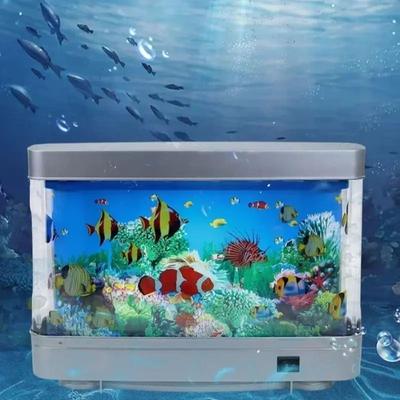
Uplift Essentials Serene Motion Virtual Aquarium Lamp Serene Motion Virtual Aquarium Lamp"Bring the soothing magic of the underwater world to your tabletop with the Serene Motion Virtual Aquarium Lamp. This highdefinition desktop aquarium decorative light uses advanced ""movingpicture"" technology to create a mesmerizing, continuous swim..."82,97 $*Shipping: 0,00 $Secure redirect to the provider
-
What does morphological mean, dear bio experts?
Morphological refers to the study of the form and structure of organisms, including their physical characteristics and how they are related to their function. In biology, morphological analysis involves examining the shape, size, and other external features of organisms to understand their evolutionary relationships, adaptations, and ecological roles. This can include studying the external appearance of an organism as well as its internal structures, such as organs and tissues. Overall, morphological analysis is an important tool for understanding the diversity and complexity of life on Earth. **
-
How to create a cladogram using morphological characteristics?
To create a cladogram using morphological characteristics, you first need to gather a group of organisms and identify their morphological traits, such as body shape, presence of certain structures, or other physical characteristics. Then, you need to compare these traits and determine which organisms share similar characteristics. Next, you can use a branching diagram to represent the evolutionary relationships between the organisms, with the most closely related organisms grouped together. Finally, you can use this diagram to construct a cladogram, which is a visual representation of the evolutionary history and relationships between the organisms based on their morphological characteristics. **
-
What problems could arise in biology if only morphological aspects are used for systematic classification?
If only morphological aspects are used for systematic classification in biology, several problems could arise. Firstly, morphological characteristics can be influenced by environmental factors, making it difficult to accurately classify organisms based solely on their physical appearance. Additionally, convergent evolution can result in different species developing similar morphological traits, leading to misclassification. Furthermore, the use of only morphological aspects may overlook genetic and evolutionary relationships between organisms, leading to an incomplete understanding of their evolutionary history and relationships. Therefore, a comprehensive approach that includes molecular, genetic, and ecological data alongside morphological aspects is essential for accurate systematic classification in biology. **
-
What would be the problem in this case considering the systematic classification solely based on morphological aspects?
The problem with relying solely on morphological aspects for systematic classification is that it may not accurately reflect the evolutionary relationships between organisms. Morphological similarities can arise due to convergent evolution, where unrelated organisms develop similar traits due to similar environmental pressures. This can lead to misclassification and inaccurate understanding of evolutionary history. Additionally, morphological traits can be influenced by environmental factors, making it difficult to distinguish between true genetic similarities and environmentally induced similarities. Therefore, a classification system based solely on morphological aspects may not provide a complete and accurate representation of the evolutionary relationships between organisms. **
* All prices are inclusive of VAT and, if applicable, plus shipping costs. The offer information is based on the details provided by the respective shop and is updated through automated processes. Real-time updates do not occur, so deviations can occur in individual cases. ** Note: Parts of this content were created by AI.