Buy immersiveeducation.eu ?
We are moving the project
immersiveeducation.eu .
Are you interested in purchasing the domain
immersiveeducation.eu ?
domain@kv-gmbh.de · 0541-91531010
Buy immersiveeducation.eu ?
Is suspension polymerization a radical polymerization?
Yes, suspension polymerization is a type of radical polymerization. In suspension polymerization, monomers are dispersed in a liquid phase and polymerization is initiated by free radicals. These free radicals are typically generated through the use of initiators, such as peroxides, which break down to form reactive species that initiate the polymerization process. The formation of polymer chains through the addition of monomers to these radicals is a characteristic feature of radical polymerization. **
What is the difference between polymerization and radical polymerization?
Polymerization is the process of combining small molecules (monomers) to form a large molecule (polymer). Radical polymerization is a type of polymerization that involves the use of free radicals to initiate the polymerization reaction. The main difference between polymerization and radical polymerization is the mechanism of initiation. In polymerization, the reaction can be initiated by various methods such as heat, light, or a catalyst, while radical polymerization specifically involves the use of free radicals to start the reaction. Radical polymerization is often used to produce polymers with specific properties, such as high flexibility or toughness. **


Similar search terms for Polymerization
Top-Angebote
Products related to Polymerization:
-
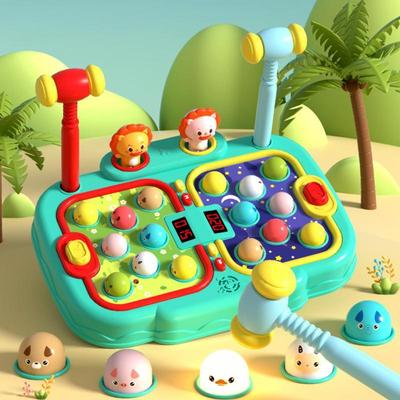
Inspired Deals Smart Squirrel Interactive Learning Toy For Kids Smart Squirrel Interactive Learning Toy For KidsMake playtime feel brighter, smarter, and more connected with this interactive toy for kids. Designed for toddlers and young learners, it turns tapping games, sounds, colors, and challenges into joyful learning moments. This educational toy for...104,97 $*Shipping: 0,00 $Secure redirect to the provider
-
The Cart Load Educational Learning Toys For Kids, Toddlers, Fun Interactive Learning, Alphabet, Numbers, Colors, And Animals Educational Learning Toys For Kids, Toddlers, Fun Interactive Learning, Alphabet, Numbers, Colors, And AnimalsUnlock the world of learning with this Educational Learning Toy for Kids! Designed for toddlers aged 3 to 8, this interactive learning pad combines sight, touch, and hearing to stimulate curiosity and develop essential skills. Perfect for enhancing...41,97 $*Shipping: 0,00 $Secure redirect to the provider
-
PRiME 2024 NEW Educational Learning Toys For Kids Toddlers Interactive Touch & Sound Learning Tablet For Boys & Girls 2024 NEW Educational Learning Toys For Kids Toddlers Interactive Touch & Sound Learning Tablet For Boys & Girlsooking for a fun and educational toy for toddlers and kids age 2 to 7 This 2024 NEW educational learning toy combines interactive touch, sound, and colorful visuals to create an engaging, screenfree learning experience that develops core skills and...29,97 $*Shipping: 0,00 $Secure redirect to the provider
-
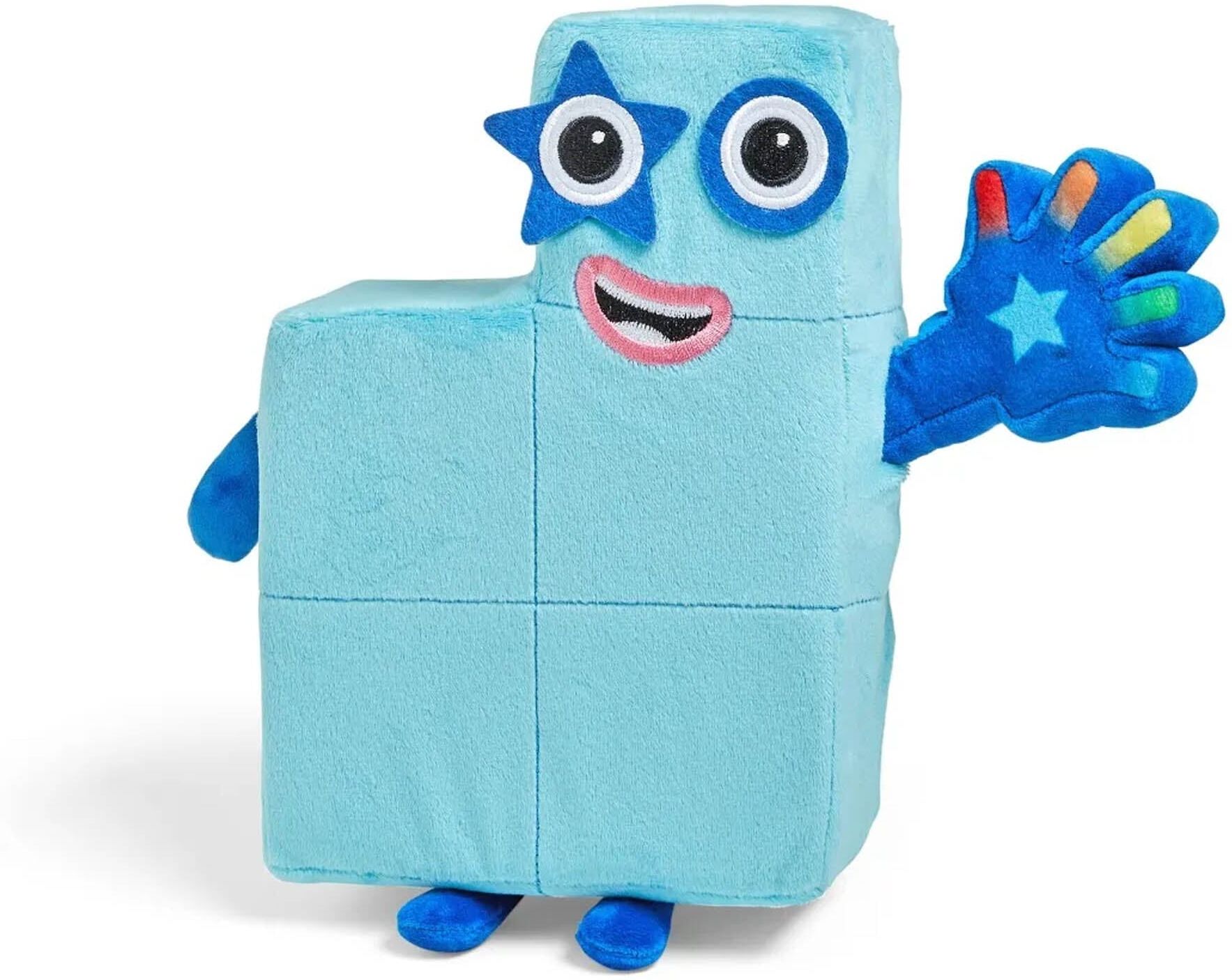
Learning Resources Sing-Along Numberblock Five Plush Interactive Toy, Counting Toy - Age 3+ Learning ResourcesGive a big hand for Sing-Along Numberblock Five, the interactive cuddly toy who’s a real star! This cuddly toy helps little ones build counting and colour recognition skills through imaginative play and interactive learning with the friendly Numberblock Five. Numberblock Five has her famous High Five Hand – just like in the episodes! See each finger light up and count along from 1–5. Numberblock Five is the lead singer in the band. Listen as she shares 12 phrases and songs including the Numberblocks theme tune. Numberblock Five measures approx. 28cm W x 27cm H. Requires 3 AAA batteries (included). Numberblocks Playful Pals One & Two and Three & Four are also available26,99 £*Shipping: 2,99 £Secure redirect to the provider


-
What are branches in radical polymerization?
Branches in radical polymerization refer to side chains that extend from the main polymer chain. These side chains can result from the presence of branching agents or from chain transfer reactions during the polymerization process. Branches can affect the properties of the polymer, such as its mechanical strength, flexibility, and thermal properties. Controlling the branching in radical polymerization is important for tailoring the properties of the final polymer product. **
-
How does the polymerization of polystyrene occur?
Polystyrene polymerization occurs through a process called chain-growth polymerization. This process involves the repeated addition of monomer units (styrene molecules) to a growing polymer chain. It is initiated by a catalyst or initiator, which starts the reaction by breaking a chemical bond in the monomer. This creates a reactive site that can then bond with another monomer, leading to the formation of a polymer chain. As more and more monomers are added, the polymer chain grows in length, resulting in the formation of polystyrene. **
-
What is the difference between polymerization and polycondensation?
Polymerization is a process where monomers are chemically bonded together to form a polymer without the formation of any byproducts. On the other hand, polycondensation is a specific type of polymerization where the reaction involves the elimination of small molecules, such as water or alcohol, as byproducts. This means that in polycondensation, the polymer is formed through the condensation of two different functional groups, leading to the release of a small molecule. **
-
How can branching occur in a radical polymerization?
Branching can occur in radical polymerization when a polymer chain reacts with a monomer to form a new chain, resulting in the formation of a branch point. This can happen when a growing polymer chain reacts with a monomer that has multiple reactive sites, leading to the formation of a branch. Additionally, termination reactions can also lead to branching when two growing polymer chains react with each other, forming a branched structure. Branching can impact the properties of the polymer, such as its mechanical and thermal properties, and can be controlled by adjusting the reaction conditions and monomer structure. **

What is polymer chemistry and how does polymerization work?
Polymer chemistry is the study of macromolecules composed of repeating structural units called monomers. These macromolecules, known as polymers, have a wide range of applications in everyday life, including plastics, rubber, fibers, and adhesives. Polymerization is the process by which monomers are chemically bonded together to form a polymer. This can occur through various mechanisms, such as addition polymerization, where monomers add to each other to form a polymer chain, or condensation polymerization, where monomers react to eliminate small molecules like water or alcohol to form a polymer. The resulting polymer can have different properties depending on the type of monomers and the polymerization process used. **
What is polymerization and what is it needed for?
Polymerization is a chemical process in which small molecules, called monomers, are chemically bonded together to form a large molecule, known as a polymer. This process is needed to create a wide range of materials with specific properties, such as plastics, rubber, and fibers. Polymerization is essential in various industries, including manufacturing, construction, and healthcare, as it allows for the production of materials with diverse characteristics and applications. **
Top-Angebote
Products related to Polymerization:
-
Multicon Wholesale Hub Educational Learning Toys For Kids Fun, Interactive Learning Play For Toddlers Educational Learning Toys For Kids Fun, Interactive Learning Play For ToddlersSpark your child's curiosity and enhance their learning journey with these educational learning toys designed for toddlers ages 27. Carefully crafted to promote cognitive and motor skills, this interactive toy set offers a variety of activities that...59,97 $*Shipping: 0,00 $Secure redirect to the provider
-
The Cart Load NEW Educational Learning Toys For Kids, Toddlers, Interactive Learning Pad, Best Early Learning Tool For Children NEW Educational Learning Toys For Kids, Toddlers, Interactive Learning Pad, Best Early Learning Tool For ChildrenStimulate Learning Through Synergy with the NEW Educational Learning Toys for Kid Give your child a head start in their learning journey with the NEW Educational Learning Toys for Kids, designed to captivate and engage toddlers aged 2 to 7. This...39,97 $*Shipping: 0,00 $Secure redirect to the provider
-
Inspired Deals Smart Squirrel Interactive Learning Toy For Kids Smart Squirrel Interactive Learning Toy For KidsMake playtime feel brighter, smarter, and more connected with this interactive toy for kids. Designed for toddlers and young learners, it turns tapping games, sounds, colors, and challenges into joyful learning moments. This educational toy for...104,97 $*Shipping: 0,00 $Secure redirect to the provider
-
The Cart Load Educational Learning Toys For Kids, Toddlers, Fun Interactive Learning, Alphabet, Numbers, Colors, And Animals Educational Learning Toys For Kids, Toddlers, Fun Interactive Learning, Alphabet, Numbers, Colors, And AnimalsUnlock the world of learning with this Educational Learning Toy for Kids! Designed for toddlers aged 3 to 8, this interactive learning pad combines sight, touch, and hearing to stimulate curiosity and develop essential skills. Perfect for enhancing...41,97 $*Shipping: 0,00 $Secure redirect to the provider
-
Is suspension polymerization a radical polymerization?
Yes, suspension polymerization is a type of radical polymerization. In suspension polymerization, monomers are dispersed in a liquid phase and polymerization is initiated by free radicals. These free radicals are typically generated through the use of initiators, such as peroxides, which break down to form reactive species that initiate the polymerization process. The formation of polymer chains through the addition of monomers to these radicals is a characteristic feature of radical polymerization. **
-
What is the difference between polymerization and radical polymerization?
Polymerization is the process of combining small molecules (monomers) to form a large molecule (polymer). Radical polymerization is a type of polymerization that involves the use of free radicals to initiate the polymerization reaction. The main difference between polymerization and radical polymerization is the mechanism of initiation. In polymerization, the reaction can be initiated by various methods such as heat, light, or a catalyst, while radical polymerization specifically involves the use of free radicals to start the reaction. Radical polymerization is often used to produce polymers with specific properties, such as high flexibility or toughness. **
-
What are branches in radical polymerization?
Branches in radical polymerization refer to side chains that extend from the main polymer chain. These side chains can result from the presence of branching agents or from chain transfer reactions during the polymerization process. Branches can affect the properties of the polymer, such as its mechanical strength, flexibility, and thermal properties. Controlling the branching in radical polymerization is important for tailoring the properties of the final polymer product. **
-
How does the polymerization of polystyrene occur?
Polystyrene polymerization occurs through a process called chain-growth polymerization. This process involves the repeated addition of monomer units (styrene molecules) to a growing polymer chain. It is initiated by a catalyst or initiator, which starts the reaction by breaking a chemical bond in the monomer. This creates a reactive site that can then bond with another monomer, leading to the formation of a polymer chain. As more and more monomers are added, the polymer chain grows in length, resulting in the formation of polystyrene. **
Similar search terms for Polymerization
-
PRiME 2024 NEW Educational Learning Toys For Kids Toddlers Interactive Touch & Sound Learning Tablet For Boys & Girls 2024 NEW Educational Learning Toys For Kids Toddlers Interactive Touch & Sound Learning Tablet For Boys & Girlsooking for a fun and educational toy for toddlers and kids age 2 to 7 This 2024 NEW educational learning toy combines interactive touch, sound, and colorful visuals to create an engaging, screenfree learning experience that develops core skills and...29,97 $*Shipping: 0,00 $Secure redirect to the provider
-
Learning Resources Sing-Along Numberblock Five Plush Interactive Toy, Counting Toy - Age 3+ Learning ResourcesGive a big hand for Sing-Along Numberblock Five, the interactive cuddly toy who’s a real star! This cuddly toy helps little ones build counting and colour recognition skills through imaginative play and interactive learning with the friendly Numberblock Five. Numberblock Five has her famous High Five Hand – just like in the episodes! See each finger light up and count along from 1–5. Numberblock Five is the lead singer in the band. Listen as she shares 12 phrases and songs including the Numberblocks theme tune. Numberblock Five measures approx. 28cm W x 27cm H. Requires 3 AAA batteries (included). Numberblocks Playful Pals One & Two and Three & Four are also available26,99 £*Shipping: 2,99 £Secure redirect to the provider
-
Sesderma Reti Age 5 Liposomal Serum Anti-Aging Innovation 30mLA facial serum for wrinkles and signs of ageing. Reduces wrinkles and fine lines. Hydrates and strengthens barrier. Restores youthful radiance. 5-Retinoid System: smooths wrinkles, accelerates renewal, and boosts collagen. Biomimetic Peptides: fill expression lines by stimulating collagen synthesis.54,51 £*Shipping: 5,34 £Secure redirect to the provider
-
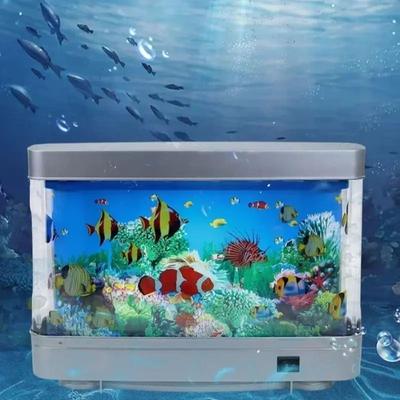
Uplift Essentials Serene Motion Virtual Aquarium Lamp Serene Motion Virtual Aquarium Lamp"Bring the soothing magic of the underwater world to your tabletop with the Serene Motion Virtual Aquarium Lamp. This highdefinition desktop aquarium decorative light uses advanced ""movingpicture"" technology to create a mesmerizing, continuous swim..."82,97 $*Shipping: 0,00 $Secure redirect to the provider
-
What is the difference between polymerization and polycondensation?
Polymerization is a process where monomers are chemically bonded together to form a polymer without the formation of any byproducts. On the other hand, polycondensation is a specific type of polymerization where the reaction involves the elimination of small molecules, such as water or alcohol, as byproducts. This means that in polycondensation, the polymer is formed through the condensation of two different functional groups, leading to the release of a small molecule. **
-
How can branching occur in a radical polymerization?
Branching can occur in radical polymerization when a polymer chain reacts with a monomer to form a new chain, resulting in the formation of a branch point. This can happen when a growing polymer chain reacts with a monomer that has multiple reactive sites, leading to the formation of a branch. Additionally, termination reactions can also lead to branching when two growing polymer chains react with each other, forming a branched structure. Branching can impact the properties of the polymer, such as its mechanical and thermal properties, and can be controlled by adjusting the reaction conditions and monomer structure. **
-
What is polymer chemistry and how does polymerization work?
Polymer chemistry is the study of macromolecules composed of repeating structural units called monomers. These macromolecules, known as polymers, have a wide range of applications in everyday life, including plastics, rubber, fibers, and adhesives. Polymerization is the process by which monomers are chemically bonded together to form a polymer. This can occur through various mechanisms, such as addition polymerization, where monomers add to each other to form a polymer chain, or condensation polymerization, where monomers react to eliminate small molecules like water or alcohol to form a polymer. The resulting polymer can have different properties depending on the type of monomers and the polymerization process used. **
-
What is polymerization and what is it needed for?
Polymerization is a chemical process in which small molecules, called monomers, are chemically bonded together to form a large molecule, known as a polymer. This process is needed to create a wide range of materials with specific properties, such as plastics, rubber, and fibers. Polymerization is essential in various industries, including manufacturing, construction, and healthcare, as it allows for the production of materials with diverse characteristics and applications. **
* All prices are inclusive of VAT and, if applicable, plus shipping costs. The offer information is based on the details provided by the respective shop and is updated through automated processes. Real-time updates do not occur, so deviations can occur in individual cases. ** Note: Parts of this content were created by AI.