Buy immersiveeducation.eu ?
We are moving the project
immersiveeducation.eu .
Are you interested in purchasing the domain
immersiveeducation.eu ?
domain@kv-gmbh.de · 0541-91531010
Buy immersiveeducation.eu ?
"Is refrigerant being stolen?"
Refrigerant theft is a real issue in some areas, particularly with the rise in demand for certain types of refrigerants. Thieves may target air conditioning units, refrigeration systems, or even storage facilities in order to steal refrigerant for resale on the black market. The theft of refrigerant can have serious consequences, including environmental damage and financial losses for businesses. It's important for businesses and individuals to take steps to secure their refrigerant supplies and report any suspicious activity to law enforcement. **
What is a refrigerant mixture?
A refrigerant mixture is a combination of two or more refrigerants blended together to create a specific set of thermodynamic properties. These mixtures are often used in refrigeration and air conditioning systems to achieve desired performance characteristics, such as lower global warming potential or improved energy efficiency. Refrigerant mixtures can be tailored to meet the requirements of different applications and environmental regulations. **


Similar search terms for Refrigerant
Top-Angebote
Products related to Refrigerant:
-
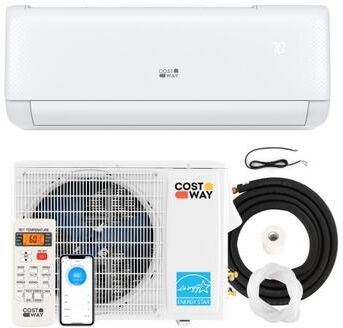
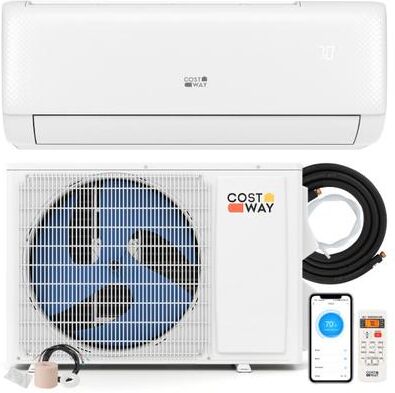
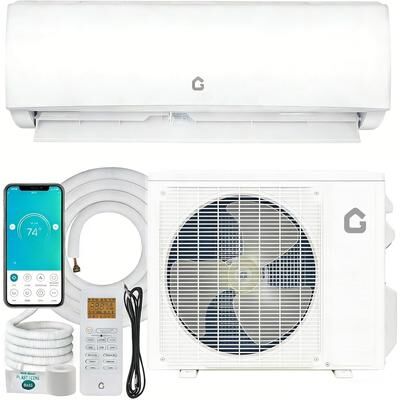
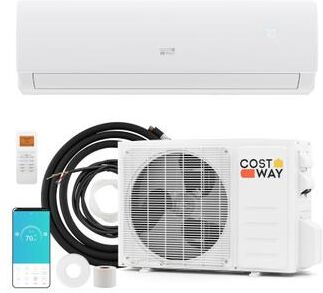
Garvee 23,000 BTU Mini Split AC & Heat Pump, WiFi, R32 Refrigerant, 1500 Sq Ft【High-Performance Cooling & Heating for Larger Spaces】Delivering a robust 23,000 BTU output, this ductless mini split AC & heat pump can rapidly cool or heat spaces up to 1,500 sq.ft.1172,11 $*Shipping: 0,00 $Secure redirect to the provider
-
What is refrigerant R12/R11?
Refrigerant R12, also known as dichlorodifluoromethane, and R11, also known as trichlorofluoromethane, are chlorofluorocarbons (CFCs) that were commonly used as refrigerants in air conditioning and refrigeration systems. However, due to their harmful impact on the ozone layer, their production and use have been phased out under the Montreal Protocol. These refrigerants have been replaced by more environmentally friendly alternatives such as hydrochlorofluorocarbons (HCFCs) and hydrofluorocarbons (HFCs). **
-
Is the refrigerant R290 (propane) dangerous?
Yes, R290 (propane) can be dangerous if not handled properly. Propane is flammable and can pose a fire hazard if leaked in an enclosed space. It is also important to note that propane is heavier than air, so it can accumulate in low-lying areas and pose an asphyxiation risk if inhaled in high concentrations. Therefore, it is crucial to follow proper safety protocols when working with R290 refrigerant to minimize the risk of accidents. **
-
How do air conditioners lose refrigerant?
Air conditioners can lose refrigerant through leaks in the system. These leaks can occur in the coils, connections, or valves of the air conditioning unit. Over time, the seals in the system can deteriorate, leading to refrigerant leakage. It is important to regularly check for leaks and repair them promptly to ensure the efficient operation of the air conditioner. **
-
Do condenser dryers work with refrigerant?
Yes, condenser dryers work with refrigerant. The refrigerant is used to cool the hot, moist air that is extracted from the laundry during the drying process. This cooling causes the moisture in the air to condense into water, which is then collected in a reservoir or drained away. The cooled, dry air is then reheated and circulated back into the drum to continue the drying process. **

What is the refrigerant in the refrigerator?
The refrigerant commonly used in refrigerators is a compound called R-134a, also known as 1,1,1,2-Tetrafluoroethane. This refrigerant is a non-toxic, non-flammable gas that is widely used in household refrigeration systems. It is known for its low environmental impact and is used as a replacement for older refrigerants that have been found to contribute to ozone depletion. R-134a is used to absorb heat from the inside of the refrigerator and release it outside, allowing the refrigerator to maintain a cool temperature inside. **
Is the refrigerant from the heat pump toxic?
The refrigerant used in heat pumps can be toxic if it is released into the environment. Most modern heat pumps use a type of refrigerant called R-410A, which is non-toxic when contained within the system. However, if the refrigerant leaks, it can pose a risk to the environment and human health. It is important to handle and dispose of refrigerant properly to prevent any harm. **
Top-Angebote
Products related to Refrigerant:
-
Sauermann Si-RD3 Refrigerant Leak DetectorSauermann Si-RD3 Refrigerant Leak Detector The Sauermann Si-RD3 Refrigerant Leak Detector is a professional diagnostic tool for finding refrigerant leaks quickly across HVAC and refrigeration systems. A heated diode sensor detects common refrigerants including HFCs, HCFCs, R1234yf, R1234ze, R290, R600a, and 5% hydrogen/95% nitrogen tracer gases such as Nidron 5 and Trace-A-Gas. Three sensitivity modes — Low, Normal and High — allow the detector to be tuned to the job, whether hunting down a large leak or something much smaller. A 30cm flexible probe reaches into tight spaces around pipe joints, evaporators, compressors and service valves. Visual LED indicators and audible alarms give immediate feedback as gas levels rise, and an autozero function, resetting in as little as 1–10 seconds depending on leak level and sensitivity threshold,260,00 £*Shipping: 0,00 £Secure redirect to the provider
-
Testo 560i Digital Refrigerant Scale KitTesto 560i Kit – Digital Refrigerant Scale with Bluetooth and Automatic Charging Valve (0564 2560) Charge refrigeration systems and heat pumps faster and more precisely: automatically, with the testo 560i wireless refrigerant scale, the intelligent refrigerant valve, a digital manifold from Testo, and the testo Smart App. This practical kit brings together the refrigerant valve and refrigerant scale testo 560i, delivering time savings and maximum precision in a single package. The digital refrigerant scale and intelligent valve both connect wirelessly via Bluetooth to Testo manifolds and the testo Smart App, allowing fully automatic and precise refrigerant charging according to target superheat, subcooling or weight. All measured values for the charging process are shown at a glance on the manifold or in the app, with data automatically stored for393,00 £*Shipping: 0,00 £Secure redirect to the provider
-
"Is refrigerant being stolen?"
Refrigerant theft is a real issue in some areas, particularly with the rise in demand for certain types of refrigerants. Thieves may target air conditioning units, refrigeration systems, or even storage facilities in order to steal refrigerant for resale on the black market. The theft of refrigerant can have serious consequences, including environmental damage and financial losses for businesses. It's important for businesses and individuals to take steps to secure their refrigerant supplies and report any suspicious activity to law enforcement. **
-
What is a refrigerant mixture?
A refrigerant mixture is a combination of two or more refrigerants blended together to create a specific set of thermodynamic properties. These mixtures are often used in refrigeration and air conditioning systems to achieve desired performance characteristics, such as lower global warming potential or improved energy efficiency. Refrigerant mixtures can be tailored to meet the requirements of different applications and environmental regulations. **
-
What is refrigerant R12/R11?
Refrigerant R12, also known as dichlorodifluoromethane, and R11, also known as trichlorofluoromethane, are chlorofluorocarbons (CFCs) that were commonly used as refrigerants in air conditioning and refrigeration systems. However, due to their harmful impact on the ozone layer, their production and use have been phased out under the Montreal Protocol. These refrigerants have been replaced by more environmentally friendly alternatives such as hydrochlorofluorocarbons (HCFCs) and hydrofluorocarbons (HFCs). **
-
Is the refrigerant R290 (propane) dangerous?
Yes, R290 (propane) can be dangerous if not handled properly. Propane is flammable and can pose a fire hazard if leaked in an enclosed space. It is also important to note that propane is heavier than air, so it can accumulate in low-lying areas and pose an asphyxiation risk if inhaled in high concentrations. Therefore, it is crucial to follow proper safety protocols when working with R290 refrigerant to minimize the risk of accidents. **
Similar search terms for Refrigerant
-
Garvee 23,000 BTU Mini Split AC & Heat Pump, WiFi, R32 Refrigerant, 1500 Sq Ft【High-Performance Cooling & Heating for Larger Spaces】Delivering a robust 23,000 BTU output, this ductless mini split AC & heat pump can rapidly cool or heat spaces up to 1,500 sq.ft.1172,11 $*Shipping: 0,00 $Secure redirect to the provider
-
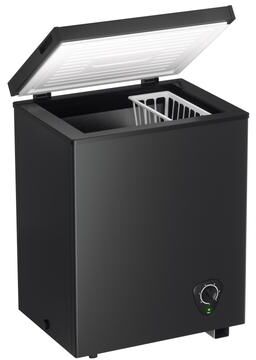
/ 3.5 Cu. Ft. Chest Freezer, Freezer, Adjustable -24°C to -12°C Freezing Range, Refrigerant for Home, Garage, Office & Apartment.Store frozen foods with confidence using this 3.5 cu. ft. compact chest freezer, designed to provide dependable freezing performance while maximizing storage efficiency.248,49 $*Shipping: 0,00 $Secure redirect to the provider
-
Multicon Wholesale Hub Educational Learning Toys For Kids Fun, Interactive Learning Play For Toddlers Educational Learning Toys For Kids Fun, Interactive Learning Play For ToddlersSpark your child's curiosity and enhance their learning journey with these educational learning toys designed for toddlers ages 27. Carefully crafted to promote cognitive and motor skills, this interactive toy set offers a variety of activities that...59,97 $*Shipping: 0,00 $Secure redirect to the provider
-
How do air conditioners lose refrigerant?
Air conditioners can lose refrigerant through leaks in the system. These leaks can occur in the coils, connections, or valves of the air conditioning unit. Over time, the seals in the system can deteriorate, leading to refrigerant leakage. It is important to regularly check for leaks and repair them promptly to ensure the efficient operation of the air conditioner. **
-
Do condenser dryers work with refrigerant?
Yes, condenser dryers work with refrigerant. The refrigerant is used to cool the hot, moist air that is extracted from the laundry during the drying process. This cooling causes the moisture in the air to condense into water, which is then collected in a reservoir or drained away. The cooled, dry air is then reheated and circulated back into the drum to continue the drying process. **
-
What is the refrigerant in the refrigerator?
The refrigerant commonly used in refrigerators is a compound called R-134a, also known as 1,1,1,2-Tetrafluoroethane. This refrigerant is a non-toxic, non-flammable gas that is widely used in household refrigeration systems. It is known for its low environmental impact and is used as a replacement for older refrigerants that have been found to contribute to ozone depletion. R-134a is used to absorb heat from the inside of the refrigerator and release it outside, allowing the refrigerator to maintain a cool temperature inside. **
-
Is the refrigerant from the heat pump toxic?
The refrigerant used in heat pumps can be toxic if it is released into the environment. Most modern heat pumps use a type of refrigerant called R-410A, which is non-toxic when contained within the system. However, if the refrigerant leaks, it can pose a risk to the environment and human health. It is important to handle and dispose of refrigerant properly to prevent any harm. **
* All prices are inclusive of VAT and, if applicable, plus shipping costs. The offer information is based on the details provided by the respective shop and is updated through automated processes. Real-time updates do not occur, so deviations can occur in individual cases. ** Note: Parts of this content were created by AI.